


On March 23, 2016, the defense of the world's first dissertation on the topic of horting by the President of the World Horting Federation Eduard Yeremenko for the degree of Doctor of Philosophy in specialty 13.00.07 – Theory and Methods of Education

Historic Academic Achievement for Horting: First Dissertation in the World Dedicated to Horting Successfully Defended
Kyiv, Ukraine – March 23, 2016
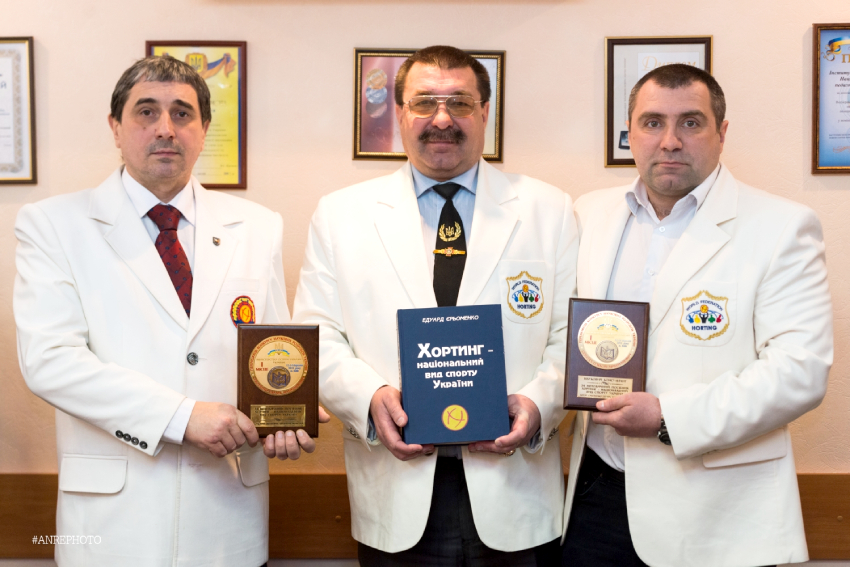
A landmark event in the history of Horting and the international martial arts community took place on March 23, 2016, in Kyiv, Ukraine. On this day, Eduard Yeremenko, President of the World Horting Federation and founder of Horting, successfully defended the world's first scientific dissertation dedicated entirely to Horting.
The dissertation, entitled "Education of Persistence in Schoolers Aged 6–7 Years Old in the Process of Horting Training", was defended at the Institute of Educational Problems of the National Academy of Educational Sciences of Ukraine in fulfillment of the requirements for the Doctor of Philosophy degree in Specialty 13.00.07 – Theory and Methods of Education.
This historic academic achievement marked an important milestone in the development of Horting as not only a sport and martial art, but also as a scientifically grounded educational system. The research demonstrated the significant pedagogical potential of Horting in the formation of persistence, self-discipline, determination, responsibility, and other important character traits in young children.
The dissertation was based on extensive scientific research, pedagogical experiments, and practical observations conducted among primary school children participating in Horting training programs. The study examined how systematic physical activity, educational methods, and the values promoted through Horting contribute to the development of volitional qualities and positive personal behavior at an early age.

The successful defense represented the first comprehensive scientific investigation of Horting within the framework of modern educational science and established a foundation for further academic studies in the field. It also confirmed that Horting is more than a combat sport—it is an effective educational methodology capable of contributing to the physical, intellectual, moral, and social development of children and youth.
For the international Horting movement, this event became a symbol of the growing recognition of Horting within academic and scientific circles. It strengthened the position of Horting as a modern educational and sports system that combines national traditions, physical culture, character development, and contemporary pedagogical approaches.
The World Horting Federation considers this achievement an important step toward the further integration of Horting into educational institutions, sports organizations, youth development programs, and scientific research projects throughout the world.
The successful defense of the first dissertation on Horting opened a new chapter in the history of the sport and demonstrated that the principles of Horting can serve not only as a basis for athletic excellence but also as an effective instrument for educating future generations.
March 23, 2016, will forever remain an important date in the history of Horting—the day when Horting entered the world of academic science and received recognition as a subject of serious scientific research.
World Horting Federation
Promoting Sport, Education, Science, and the Values of Horting Worldwide
Promoting Sport, Education, Science, and the Values of Horting Worldwide

The First Doctoral Dissertation on Horting Defended in Ukraine
A Historic Milestone in the Development of Horting
On March 23, 2016, a landmark event took place in the history of Ukrainian sport, martial arts education, and Horting. At the Institute of Problems on Education of the National Academy of Educational Sciences of Ukraine in Kyiv, the President of the World Horting Federation, Eduard Yeremenko, successfully defended the world's first doctoral dissertation dedicated entirely to Horting.
The dissertation, submitted for the degree of Doctor of Philosophy (PhD) in Specialty 13.00.07 – Theory and Methods of Education, was entitled:
“Education of Persistence in Schoolchildren Aged 6–7 Years in the Process of Horting Training.”
This scientific achievement became a turning point in the development of Horting as not only a combat sport and martial art, but also as a scientifically grounded educational system aimed at the comprehensive development of children and youth.

Horting Enters the Academic World
Since its creation, Horting has been recognized for combining physical training, self-defense skills, patriotic education, moral values, and character development. However, the successful defense of this dissertation elevated Horting to an entirely new level.
For the first time, the educational and developmental potential of Horting was examined through rigorous scientific research and pedagogical methodology. The dissertation provided evidence that Horting can effectively contribute to the formation of important volitional qualities in children, particularly persistence, determination, self-control, discipline, and confidence.
The successful defense demonstrated that Horting is not merely a competitive sport but a complete educational system capable of positively influencing the physical, psychological, moral, and social development of young people.
.jpg)
Research Focus
The dissertation investigated how regular Horting training influences the development of persistence among children aged six to seven years.
Special attention was given to:
-
Formation of strong character traits;
-
Development of self-discipline and responsibility;
-
Motivation to overcome difficulties;
-
Strengthening of willpower;
-
Improvement of concentration and emotional stability;
-
Development of confidence through achievement of sporting goals;
-
Correlation between physical readiness and volitional development;
-
Educational methods used by Horting coaches.
The research confirmed that properly organized Horting training creates optimal pedagogical conditions for developing persistence and other important personality traits during one of the most sensitive periods of child development.
Scientific Contribution
The dissertation introduced a comprehensive pedagogical model for educating persistence through Horting training.
Among its major scientific contributions were:
-
Development of diagnostic criteria for evaluating persistence in children;
-
Creation of methods for measuring volitional qualities during sports activities;
-
Identification of age-specific characteristics of persistence development;
-
Establishment of educational conditions necessary for successful character formation;
-
Development of practical recommendations for coaches, teachers, and parents.
The study also demonstrated that persistence can be systematically cultivated through specially designed physical exercises, training tasks, competitive activities, and motivational methods integrated into Horting classes.

Horting as an Educational System
One of the dissertation's most significant conclusions was that Horting functions as a holistic educational environment.
Children participating in Horting training learn to:
-
Respect parents, coaches, and teammates;
-
Follow rules and ethical standards;
-
Set goals and work consistently toward achieving them;
-
Accept victories with dignity and defeats with courage;
-
Develop responsibility for their own actions;
-
Maintain a healthy lifestyle;
-
Become active and productive members of society.
The research emphasized that the ultimate purpose of Horting extends beyond athletic achievement. Its broader mission is to educate strong, healthy, responsible, and morally developed citizens.
Recognition of Horting's Scientific Foundation
The successful defense of this dissertation became one of the most important milestones in the institutional development of Horting.
It demonstrated that:
-
Horting possesses a scientifically substantiated educational methodology;
-
Horting can be studied as an independent academic discipline;
-
The sport has significant pedagogical value;
-
Its training principles can be integrated into educational and youth development programs.
The dissertation opened new opportunities for future scientific research in areas such as:
-
Physical education;
-
Sports pedagogy;
-
Child psychology;
-
Character education;
-
Youth development;
-
Martial arts studies.
.jpg)
International Significance
For members of the World Horting Federation and national Horting organizations worldwide, this event represented much more than an academic success.
It became a symbol of the maturation of Horting as a global movement.
Many martial arts have centuries of tradition, but relatively few possess a modern scientific foundation supported by doctoral-level research. The successful defense of the first dissertation on Horting demonstrated that the sport is developing simultaneously in practical, educational, organizational, and scientific directions.
This achievement strengthened the credibility of Horting among:
-
Educational institutions;
-
Government authorities;
-
Sports organizations;
-
Researchers and academics;
-
Parents seeking effective developmental activities for their children.
Legacy of the Dissertation
Today, the defense of the first doctoral dissertation on Horting remains a historic achievement in the development of the sport.
It symbolizes the transition of Horting from a rapidly growing martial art into a scientifically recognized educational and sports system capable of contributing to the development of future generations.
The work of Dr. Eduard Yeremenko established a strong academic foundation for further scientific investigations and confirmed that Horting is not only a means of physical training and self-defense, but also an effective instrument for character education, personal growth, and social development.
March 23, 2016
This date will remain an important chapter in the history of Horting — the day when the world's first doctoral dissertation dedicated to Horting was successfully defended, marking the beginning of a new era in the scientific study and educational advancement of this Ukrainian-born martial art and sport.
National Academy of Educational Sciences of Ukraine
Institute of Educational Problems
Institute of Educational Problems
EDUARD ANATOLIYOVYCH YEREMENKO
UDC 373.3.015.31:179.9]:796.034.2
EDUCATION OF PERSISTENCE IN CHILDREN AGED 6–7 YEARS IN THE PROCESS OF HORTING TRAINING
Specialty 13.00.07 – Theory and Methods of Education
Abstract of the Dissertation Submitted for the Degree of Candidate of Pedagogical Sciences (PhD)
Kyiv – 2016
The dissertation is presented as a manuscript.
The research was conducted at the Institute of Educational Problems of the National Academy of Educational Sciences of Ukraine.

Scientific Supervisor
Vitaliy Volodymyrovych Ivashkovskyi
Candidate of Pedagogical Sciences, Senior Research Fellow,
Senior Research Fellow of the Laboratory of Physical Development and Healthy Lifestyle,
Institute of Educational Problems of the National Academy of Educational Sciences of Ukraine.
Candidate of Pedagogical Sciences, Senior Research Fellow,
Senior Research Fellow of the Laboratory of Physical Development and Healthy Lifestyle,
Institute of Educational Problems of the National Academy of Educational Sciences of Ukraine.
Official Opponents
Olha Oleksandrivna Yezhova
Doctor of Pedagogical Sciences, Professor,
Professor of the Department of Physiology and Pathophysiology with a Course in Medical Biology,
Sumy State University.
Doctor of Pedagogical Sciences, Professor,
Professor of the Department of Physiology and Pathophysiology with a Course in Medical Biology,
Sumy State University.
Ruslan Mykolayovych Misharovskyi
Candidate of Pedagogical Sciences, Associate Professor,
Associate Professor of the Department of Football,
Faculty of Physical Education and Sports,
National Pedagogical Dragomanov University.
Candidate of Pedagogical Sciences, Associate Professor,
Associate Professor of the Department of Football,
Faculty of Physical Education and Sports,
National Pedagogical Dragomanov University.
The public defense of the dissertation was held on March 23, 2016, at 11:00 a.m. at a meeting of the Specialized Academic Council D 26.454.01 at the Institute of Educational Problems of the National Academy of Educational Sciences of Ukraine.
Address:
9 Maksyma Berlynskoho Street, Kyiv 04060, Ukraine.
9 Maksyma Berlynskoho Street, Kyiv 04060, Ukraine.
The dissertation was available for review at the Scientific Library of the Institute of Educational Problems of the National Academy of Educational Sciences of Ukraine (9 Maksyma Berlynskoho Street, Kyiv 04060, Ukraine).
The abstract was distributed on February 19, 2016.
Scientific Secretary of the Specialized Academic Council
Olena Anatoliivna Komarovska
GENERAL CHARACTERISTICS OF THE RESEARCH
Relevance of the Research
At the present stage of the development of the Ukrainian state and society, increasing attention is being paid to the formation of strong moral and volitional qualities in the younger generation. Among these qualities, persistence occupies a special place as one of the fundamental characteristics that enable an individual to achieve goals, overcome difficulties, and successfully adapt to the challenges of modern life.
Physical education and sport possess significant educational potential for the development of persistence, self-discipline, determination, responsibility, and other important personality traits. At the same time, contemporary educational practice demonstrates a gradual decline in schoolchildren’s interest in sports and physical culture activities, which necessitates the search for innovative educational approaches capable of strengthening pupils’ motivation and personal development through sports participation.
The importance of cultivating persistence among schoolchildren is reflected in the legislative and regulatory framework of Ukraine, including the Laws of Ukraine “On Education,” “On General Secondary Education,” “On Physical Culture and Sport,” the National Doctrine of Physical Culture and Sport Development, the Concept of Physical Education in the Educational System of Ukraine, and the State Standard of the Educational Field “Health and Physical Culture” for Primary School.
The theoretical foundations of persistence education have been developed in the works of numerous scholars, including I. Bekh, N. Havryliuk, O. Yezhova, Ye. Ilyin, Ye. Mamonova, S. Rubinstein, and others, who examined the development of personal abilities, conscious motivation, and readiness for purposeful activity.
Modern researchers emphasize that persistence is a moral-volitional quality expressed in an individual's ability to achieve a goal despite internal and external obstacles. It represents an essential character trait of a successful modern person and manifests itself in the ability to complete initiated tasks and maintain purposeful effort over time.
Various aspects of persistence education through physical culture and sports activities have been investigated by E. Vilchkovskyi, H. Lyublinska, M. Zubalii, K. Zhukotynskyi, R. Misharovskyi, O. Tymoshenko, and M. Tymchyk. In recent years, several dissertations have addressed related issues, including the formation of volitional qualities in younger schoolchildren, the development of positive attitudes toward learning, the education of persistence through extracurricular activities, and the preparation of adolescents for volitional efforts during physical education classes.
One of the most effective means of educating persistence among children is Horting, the National Sport of Ukraine, which combines cultural traditions, health-oriented practices, patriotic values, and martial arts education. Horting is not only a sport but also a comprehensive educational system aimed at the harmonious development of personality, physical fitness, moral values, and social responsibility.

Despite the growing popularity of Horting and its recognized educational potential, the issue of developing persistence in children aged 6–7 years through Horting training has not been sufficiently investigated. The absence of scientifically substantiated pedagogical conditions, methods, and organizational approaches for educating persistence in young schoolchildren during Horting classes indicates the necessity of further research in this area.
The relevance of the study is further determined by several contradictions identified in contemporary educational and sports practice:
-
between the social significance of educating persistence in children and the traditional conservative approaches to organizing sports and physical education activities in educational institutions;
-
between the need to optimize persistence education during physical culture and sports activities and the insufficient theoretical and methodological substantiation of this process;
-
between the importance of developing persistence in children aged 6–7 years through Horting training and the insufficient development of appropriate pedagogical conditions, content, forms, and methods of educational work.
The relevance of the problem, together with the identified contradictions, determined the choice of the dissertation topic:
“Education of Persistence in Schoolchildren Aged 6–7 Years in the Process of Horting Training.”
The dissertation is devoted to the theoretical substantiation and experimental verification of pedagogical conditions, methods, and educational technologies aimed at fostering persistence in young schoolchildren through systematic participation in Horting training. The study contributes to the development of modern educational theory and practice by expanding scientific knowledge about the formation of volitional qualities in children and by providing practical recommendations for coaches, teachers, and educational institutions engaged in the implementation of Horting programs.
Connection of the Research with Scientific Programs, Plans, and Research Themes
The dissertation research was conducted within the framework of the scientific activities of the Laboratory of Physical Development and Healthy Lifestyle of the Institute of Educational Problems of the National Academy of Educational Sciences of Ukraine. The study constitutes a component of the research project entitled “Military-Patriotic Education of Students of General Secondary Educational Institutions in Extracurricular Activities” (State Registration No. 0114U002141).
The dissertation topic was approved by the Academic Council of the Institute of Educational Problems of the National Academy of Educational Sciences of Ukraine (Protocol No. 4 of April 28, 2011) and coordinated by the Interdepartmental Council for the Coordination of Scientific Research in Pedagogy and Psychology in Ukraine (Protocol No. 9 of November 29, 2011).
Purpose of the Research
The purpose of the study was to identify, substantiate, and experimentally verify the pedagogical conditions, content, forms, and methods of educating persistence in schoolchildren aged 6–7 years on the basis of a comprehensive analysis of theoretical foundations and practical approaches to persistence education during Horting training.

Research Objectives
To achieve the stated purpose, the following objectives were pursued:
-
To analyze the current state of research on persistence education in psychological and pedagogical literature and to clarify the essence and characteristics of persistence development in children aged 6–7 years during Horting classes.
-
To generalize the experience of general secondary educational institutions regarding the education of persistence in young schoolchildren through physical education and sports activities.
-
To determine and characterize the criteria, indicators, and levels of persistence development in schoolchildren aged 6–7 years engaged in Horting training.
-
To identify pedagogical conditions, content, forms, and methods of persistence education through Horting and to experimentally verify their effectiveness.
Object of the Research
The object of the research is the process of educating persistence in schoolchildren aged 6–7 years through physical education and sports activities.
Subject of the Research
The subject of the research is the pedagogical conditions, educational content, organizational forms, and teaching methods aimed at developing persistence in schoolchildren aged 6–7 years during Horting training.
Theoretical and Methodological Foundations
The theoretical and methodological basis of the study includes:
-
principles of personality-oriented and competency-based educational approaches developed by I. Bekh, S. Sysoieva, N. Frolova, I. Yakymanska, and others;
-
scientific concepts concerning the role of education in personality development formulated by B. Ananyev, L. Vygotsky, O. Yezhova, I. Ziaziun, S. Karpenchuk, O. Kobernyk, O. Kondratiuk, H. Kostiuk, A. Maslow, V. Orzhekhovska, Yu. Rudenko, V. Sukhomlynskyi, O. Sukhomlynska, K. Chorna, M. Yarmachenko, and others;
-
theoretical studies devoted to various aspects of persistence education by R. Bure, A. Golubieva, O. Huzenko, E. Demurova, T. Doronova, S. Dudnikova, O. Kliuchnykova, L. Krainova, N. Kryvova, V. Lysyna, H. Popova, S. Splyna, N. Stadnik, N. Starodubova, A. Fok, I. Shcherbinina, and others;
-
research concerning the psychophysiological characteristics of younger schoolchildren conducted by L. Vasylenko, D. Elkonin, Ye. Ilyin, M. Popov, S. Rubinstein, M. Savchyn, and others;
-
scientific provisions regarding educational technologies in physical education, sports activities, and extracurricular sports programs developed by V. Arefiev, L. Volkov, M. Dutchak, M. Zubalii, T. Krutsevych, R. Misharovskyi, V. Platonov, Ye. Stolitenko, Yu. Pokholenchuk, O. Tymoshenko, M. Tymchyk, and others.
Research Methods
At various stages of the scientific investigation, the following research methods were employed:
Theoretical Methods
-
analysis, comparison, systematization, and generalization of psychological, pedagogical, and scientific literature related to the topic;
-
clarification of conceptual terminology;
-
determination of criteria and indicators for assessing persistence development;
-
analysis of physical education and Horting training programs, educational plans, lesson schedules, sports event scenarios, and competition regulations.
Empirical Methods
-
pedagogical observation of persistence development during physical education lessons and Horting training sessions;
-
testing and questionnaires;
-
interviews and educational conversations;
-
the method of unfinished sentences;
-
creation and analysis of problem situations;
-
pedagogical experiment (diagnostic and formative stages) aimed at evaluating the effectiveness of the proposed pedagogical conditions, content, forms, and methods of persistence education.
Statistical Methods
Methods of mathematical and statistical analysis were used to process the results of the experimental research, determine quantitative and qualitative changes in persistence levels among schoolchildren aged 6–7 years, and establish the statistical reliability of the obtained findings.
The comprehensive application of these methods ensured the scientific validity, objectivity, and reliability of the research results and made it possible to develop an effective pedagogical model for educating persistence in young schoolchildren through Horting training.
Scientific Novelty and Practical Significance of the Dissertation
One of the most important achievements of the dissertation was the development and scientific substantiation of a comprehensive pedagogical system for educating persistence in schoolchildren aged 6–7 through Horting classes. This study became the first scientific work to prove that Horting, as the National Sport of Ukraine, possesses unique educational potential not only for physical development but also for the formation of strong moral and volitional character traits in young children.
Scientific Novelty
For the first time in Ukrainian pedagogical science, the dissertation scientifically substantiated a set of pedagogical conditions aimed at developing persistence in children aged 6–7 during Horting training. These conditions included:
-
Methodological and educational support of Horting classes specifically focused on the development of persistence;
-
Creation of situations of success that encourage children to overcome difficulties and build confidence in their own abilities;
-
Introduction of healthy competitive elements that stimulate motivation and determination;
-
Application of interactive teaching methods during training sessions;
-
Establishment of effective cooperation between schools, sports clubs, and families in the process of educating persistence through Horting.
The research also developed and characterized a comprehensive system of criteria and indicators for evaluating persistence in young schoolchildren.

The cognitive criterion included:
-
Understanding the essence of persistence;
-
Knowledge of the educational possibilities of Horting;
-
Awareness of the goals and content of Horting training;
-
Understanding methods of achieving goals and concentrating personal efforts.
The emotional-value criterion included:
-
Desire to overcome internal and external obstacles;
-
Motivation to achieve success in mastering Horting skills;
-
Willingness to demonstrate persistence during sports and educational activities.
The activity-practical criterion included:
-
Ability to complete tasks and responsibilities;
-
Skillfulness in solving challenges during Horting training;
-
Demonstration of persistence in actions, behavior, and sports activities.
Three levels of persistence development were identified:
-
High level;
-
Medium level;
-
Low level.
The dissertation also clarified the scientific understanding of persistence education in children aged 6–7 as a purposeful pedagogical process that creates favorable conditions for developing physical and psychological qualities, enabling children to overcome difficulties, complete tasks successfully, and achieve meaningful results in challenging situations.
Particular attention was devoted to identifying effective educational forms and methods, including:
-
Horting competitions and tournaments;
-
Educational games with Horting elements;
-
Success-oriented learning situations;
-
Encouragement and positive reinforcement;
-
Personal example and imitation methods;
-
Contrasting tasks requiring increased effort and determination.
Furthermore, the study contributed to the advancement of modern approaches to organizing sports and physical education activities in schools for the purpose of character development and persistence education.
Practical Significance
The practical value of the dissertation lies in the creation of methodological recommendations that can be directly applied by:
-
Physical education teachers;
-
Horting coaches and instructors;
-
School administrators;
-
Students of physical education and pedagogy;
-
Institutions providing postgraduate teacher training.
A comprehensive educational model was developed and introduced into educational practice, including:
-
Horting classes and competitions;
-
The children's military-sports game "Horting Patriot";
-
Physical culture and health festivals;
-
Sports holidays dedicated to the Day of Physical Culture and Sports;
-
Active breaks and physical exercises with Horting elements;
-
"Fun Starts" competitions;
-
Educational excursions to places of sporting glory;
-
Competitions dedicated to famous Ukrainian athletes;
-
Thematic discussions such as:
-
"How to Be Persistent";
-
"My Sports Team";
-
"I Am a Horting Athlete."
-
The study demonstrated that persistence can be effectively developed when educational influence extends beyond the training hall and becomes part of a broader pedagogical environment involving teachers, coaches, parents, and peers.
Nationwide Implementation
The results of the dissertation were successfully implemented in educational institutions throughout Ukraine. The methodology was introduced into schools, gymnasiums, and educational complexes across numerous regions, including:
-
Kyiv;
-
Volyn Region;
-
Dnipropetrovsk Region;
-
Zhytomyr Region;
-
Zakarpattia Region;
-
Zaporizhzhia Region;
-
Ivano-Frankivsk Region;
-
Kyiv Region;
-
Lviv Region;
-
Mykolaiv Region;
-
Odesa Region;
-
Poltava Region;
-
Sumy Region;
-
Kherson Region;
-
Khmelnytskyi Region;
-
Cherkasy Region;
-
Chernihiv Region.
More than twenty educational institutions officially confirmed the successful implementation of the developed pedagogical recommendations and educational technologies.
Importance for Horting and International Recognition
This dissertation became a historic milestone in the scientific development of Horting. It was the first doctoral-level research entirely dedicated to Horting as an educational and pedagogical system.
The study provided scientific evidence that Horting is not merely a combat sport or martial art. It is a comprehensive educational system capable of forming essential life qualities in children, including:
-
Persistence;
-
Self-discipline;
-
Responsibility;
-
Determination;
-
Self-confidence;
-
Respect for others;
-
Ability to overcome difficulties.
The successful defense of the dissertation at the Institute of Educational Problems of the National Academy of Educational Sciences of Ukraine on March 23, 2016, significantly strengthened the scientific foundation of Horting and contributed to its recognition as a modern educational, patriotic, and sports system.
Today, this research continues to serve as one of the key scientific foundations for the development of Horting in Ukraine and internationally, supporting the mission of the World Horting Federation to promote Horting as a powerful educational, cultural, and sporting movement across all continents.
Для сайта или научно-биографической публикации этот раздел можно оформить так:
Personal Contribution of the Author, Scientific Recognition and Dissemination of Research Results
The dissertation research was conducted independently by the author and represents a comprehensive scientific study devoted to the educational potential of Horting as an effective means of developing persistence in children aged 6–7 years.
Within the joint publication “Horting as a Means of Educating Persistence in Primary School Children” (co-authored with Mykola Tymchyk), the author personally carried out the scientific analysis of the problem of persistence education among young schoolchildren, identified and substantiated the educational potential of Horting as a unique pedagogical tool, and formulated the principal conclusions concerning the development of persistence through systematic Horting training.
In the publication “Prospects and Continuity in Implementing Healthy Lifestyle Education for Senior Preschoolers and Primary School Children (Based on the Program ‘Horting for Health, Persistence and Child Harmony’)” (co-authored with Olha Ostrianska), the author's contribution consisted of developing and presenting the educational content and methodological foundations of the program, which was designed to ensure continuity between preschool and primary school physical education through Horting activities.
Scientific Approbation of the Dissertation
The principal findings and scientific provisions of the dissertation were extensively presented and discussed at numerous international and national scientific forums, where they received positive evaluations from experts in pedagogy, physical education, and sports science.
The research results were presented at the following international scientific conferences:
-
“Modern Preschool Education: Realities and Prospects” (Kyiv, 2013, 2014);
-
“Contemporary Problems and Prospects for the Development of Physical Education, Health Promotion and Professional Training of Future Specialists in Physical Education and Sport” (Kyiv, 2014).
The dissertation findings were also presented at major Ukrainian scientific conferences, including:
-
“Personality within the Space of Educational Projects” (Kyiv, 2012);
-
“Modern Approaches to the Organization and Improvement of the Educational Process in Physical Education in Secondary Schools” (Simferopol, 2012);
-
“Physical Culture of Children and Youth at the Present Stage: Experience and Prospects” (Rivne, 2012);
-
“Educational Process in the Coordinates of Spiritual Development of Personality” (Kyiv, 2013).
Furthermore, the research was systematically reported and discussed during annual scientific conferences of the Institute of Educational Problems of the National Academy of Educational Sciences of Ukraine throughout 2011–2015.
Publications
The scientific results of the dissertation were reflected in 15 scientific publications, demonstrating the substantial scope of the author's research activity.
Among these publications:
-
13 were authored individually;
-
7 articles were published in peer-reviewed Ukrainian academic journals;
-
1 article appeared in an international scientific periodical;
-
5 papers were published in conference proceedings;
-
2 additional publications appeared in professional and educational editions.
The publication record confirms both the scientific relevance of the research and its recognition within the academic community.
Structure and Scope of the Dissertation
The dissertation was prepared in accordance with the requirements of the National Academy of Educational Sciences of Ukraine and consists of:
-
Introduction;
-
Two chapters;
-
Conclusions to each chapter;
-
General conclusions;
-
Appendices;
-
Bibliography.
The reference list contains 205 scientific sources, including international publications and foreign-language literature.
The dissertation includes:
-
25 scientific tables;
-
2 figures and diagrams;
-
4 appendices.
The total volume of the dissertation is 222 pages, including 164 pages of main text, making it one of the most comprehensive scientific studies dedicated to the educational and pedagogical potential of Horting.
Significance for the Development of Horting
The successful completion and defense of this dissertation represented a historic milestone in the academic development of Horting. It became the world's first dissertation devoted entirely to the educational potential of Horting and its role in the formation of persistence, character strength, self-discipline, and positive personality traits among young children.
The research provided a scientific foundation for the further integration of Horting into educational systems, youth development programs, sports organizations, and pedagogical practice. It also strengthened the academic credibility of Horting as not only a national sport of Ukraine but also a comprehensive educational methodology capable of contributing to the physical, moral, and psychological development of future generations.
Today, the dissertation remains an important scientific reference for researchers, educators, coaches, and sports administrators involved in the international development of Horting under the leadership of the World Horting Federation.
Это можно красиво оформить для англоязычного сайта как раздел "Main Content of the Dissertation":
Main Content of the Dissertation
Chapter I. Education of Persistence in Schoolchildren as a Scientific and Pedagogical Problem
The first chapter of the dissertation, entitled “Education of Persistence in Schoolchildren of General Educational Institutions as a Scientific Problem,” presents a comprehensive theoretical analysis of persistence as an important moral and volitional quality of personality and examines the educational potential of physical culture and Horting in developing this quality among children aged 6–7 years.
The chapter summarizes the theoretical foundations of persistence education through physical education and sport, clarifies the meaning of the concept of persistence, and defines the essence of persistence education in young schoolchildren during Horting training. Particular attention is devoted to the current state of research and practical experience in developing persistence among primary school children through physical education activities.

The theoretical framework of the dissertation is based on the scientific works of prominent scholars, including Borys Ananiev, Ivan Bekh, Lev Vygotsky, Hryhoriy Kostiuk, Serhii Rubinstein, Yurii Rudenko, and others, whose studies explored the laws of personality development and the formation of an individual's capacity for purposeful activity.
The dissertation also relies on the scientific concepts of willpower and volitional qualities developed by researchers such as Ivan Bekh, Eduard Vilchkovskyi, Viktor Dronov, Yevhen Ilyin, and Viktor Selivanov. Within the study, willpower is understood as an individual's conscious ability to regulate behavior and activity, to make efforts toward achieving goals, and to overcome difficulties through self-control and determination.
Based on the works of Immanuel Kant, Mykhailo Rozental, Peter Lesgaft, and Heinz Heckhausen, persistence is defined as one of the essential character traits of a modern individual. It is expressed through a person's ability to complete tasks, achieve long-term goals, and consistently overcome obstacles encountered during sustained and demanding activity.
Drawing upon psychological studies conducted by Yevhen Ilyin, Olena Mamonova, Svitlana Polishchuk, and Serhii Rubinstein, the dissertation considers persistence education as a purposeful process in which a child learns to mobilize physical and psychological resources in order to overcome challenges and achieve meaningful objectives. Persistence is viewed as a manifestation of self-confidence, achievement motivation, and a stable willingness to overcome difficulties.
The analysis of pedagogical literature demonstrates that persistence education involves the development of a child's ability to make responsible decisions independently and implement them under the guidance of moral and ethical values. Researchers emphasize the importance of self-regulation, self-discipline, and conscious adherence to socially accepted norms as key components of persistence.
The study concludes that persistence enables children to control their behavior, maintain focus on objectives, and achieve high-quality results in various forms of activity.
Importance of Persistence Education in Early School Age
Special attention in the dissertation is given to children aged 6–7 years, who are entering a critical stage of personality development. Based on the findings of developmental and educational psychologists such as Ivan Bekh, Daniil Elkonin, Ihor Kon, Oleksii Leontiev, Mykola Popov, Ivan Sikorsky, and Konstantin Ushinsky, the research demonstrates that primary school age is a particularly sensitive period for developing persistence.
During this stage of development:
-
Children begin to form a conscious understanding of themselves and their personal position in society;
-
Motivation for self-affirmation becomes stronger;
-
Voluntary regulation of behavior develops intensively;
-
The foundations of responsibility, self-discipline, and goal orientation are established.
The dissertation highlights that participation in collective activities plays a decisive role in this developmental process. Research by specialists in physical education and sports pedagogy confirms that physical training provides favorable conditions for cultivating perseverance, responsibility, self-control, and determination.
Furthermore, primary school age is recognized as one of the most favorable periods for developing motor abilities, physical fitness, coordination, and the psychological qualities required for future success in life.
Horting as an Educational System
An important part of the Ukrainian system of physical education is Horting, the National Sport of Ukraine. The dissertation characterizes Horting as one of the most dynamic, effective, and socially significant martial arts and sports systems in modern Ukraine.
The educational potential of Horting is based on the cultural, historical, health-promoting, and martial traditions of the Ukrainian people. Unlike many sports that focus primarily on physical performance, Horting combines physical development with moral, patriotic, and character education.
The research demonstrates that Horting contributes to:
-
Development of persistence and determination;
-
Formation of self-discipline and responsibility;
-
Cultivation of courage and self-confidence;
-
Strengthening of moral values and ethical behavior;
-
Promotion of a healthy lifestyle;
-
Development of patriotism and respect for national traditions;
-
Harmonious physical and psychological growth of children.
The dissertation concludes that Horting provides unique opportunities for educating young schoolchildren because it integrates physical training with a comprehensive system of personal development. Through regular Horting classes, children learn not only effective movement skills and self-defense techniques but also acquire qualities that help them succeed in education, social interaction, and future professional life.
Consequently, Horting is presented in the dissertation not merely as a sport or martial art, but as a powerful pedagogical instrument capable of fostering persistence, strong character, moral responsibility, and a healthy lifestyle among the younger generation.
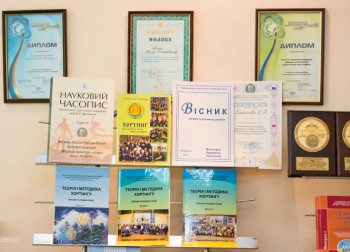
Scientific Research on Horting
Based on this section of the dissertation, the following professional English version can be used for publication on the World Horting Federation website or in scientific materials:
Horting as an Effective Means of Developing Persistence in Children Aged 6–7 Years
The dissertation research demonstrated that Horting serves as a highly effective educational and developmental tool for fostering persistence in primary school children. Through systematic participation in Horting training, young students are provided with meaningful opportunities to solve challenges, overcome difficulties, actively participate in organized sports activities, and demonstrate persistence through real-life actions and behavior.
One of the distinctive characteristics of Horting is the dynamic nature of its technical and tactical components. The sport incorporates a wide range of attacking, grappling, defensive, and movement techniques performed at high speed. During training and competition, situations change rapidly, requiring participants to make immediate decisions and adapt to constantly evolving circumstances. Such conditions place significant demands on concentration, attention span, emotional stability, self-control, physical endurance, and the ability to exert strong volitional effort.
As a result, Horting creates a unique educational environment in which children learn not only athletic skills but also important personal qualities that remain valuable throughout life. The ability to remain focused on a goal, continue working despite setbacks, and complete challenging tasks becomes a natural outcome of regular participation in Horting activities.
The dissertation therefore defines the education of persistence in children aged 6–7 through Horting as a purposeful pedagogical process aimed at creating favorable conditions for the development of physical and psychological qualities that enable children to overcome internal and external obstacles, complete tasks they have begun, and successfully achieve desired outcomes in difficult behavioral and practical situations.
The educational model developed within the study is based on two fundamental pedagogical approaches:
The personality-oriented approach, which recognizes each young Horting athlete as a unique individual with personal values, interests, abilities, and developmental needs. This approach emphasizes respect for the child’s individuality while supporting personal growth and self-confidence.
The competency-based approach, which focuses on developing practical life skills and the ability to demonstrate persistence not only during sports activities but also in everyday situations, schoolwork, and social interactions.
The research also analyzed the experience of Ukrainian educational institutions and identified several challenges affecting the development of persistence among younger schoolchildren. These included insufficient understanding among teachers, coaches, and educators regarding the educational value of persistence, limited knowledge of Horting’s history and traditions, inadequate use of innovative teaching methods and active games, and a lack of sports-oriented clubs and extracurricular activities in some schools.

To evaluate the effectiveness of educational work, the study established three key criteria for assessing persistence among children participating in Horting:
Cognitive Criterion
This criterion evaluates children's understanding of persistence and the educational potential of Horting. It includes knowledge of the goals and content of Horting training, awareness of methods for achieving objectives, and the ability to concentrate attention and physical effort when performing tasks.
Emotional and Value-Based Criterion
This criterion reflects children's willingness to overcome internal and external difficulties, their desire to succeed in mastering Horting skills, and their motivation to demonstrate persistence during sports events and training activities.
Activity and Practical Criterion
This criterion measures the child's ability to complete tasks, effectively solve problems encountered during training, and consistently demonstrate persistence through actions and behavior both in sports and daily life.
Based on these criteria, three levels of persistence development were identified: high, medium, and low.
Children demonstrating a high level of persistence possess a strong understanding of the concept of persistence and the educational opportunities provided by Horting. They clearly understand training goals, know how to focus their attention and efforts, and actively strive to achieve success. Such students willingly participate in Horting events, overcome difficulties, complete tasks to the end, and successfully apply their knowledge and determination both in training and in everyday life.
The findings of the dissertation confirm that Horting is far more than a martial art or sport. It represents a comprehensive educational system capable of developing strong character, self-discipline, determination, perseverance, resilience, and moral values. Through Horting, children learn to set goals, work consistently toward achievement, respect others, and develop the persistence necessary for success in education, sports, professional activities, and life as a whole.
This section clearly demonstrates that Horting was scientifically recognized not only as a national sport of Ukraine but also as an effective pedagogical system for the development of willpower, character, and persistence in young children. The dissertation became one of the first comprehensive scientific studies proving the educational value of Horting through academic research and practical implementation in schools throughout Ukraine.
Experimental Verification of the Educational Effectiveness of Horting
The study established that a medium level of persistence development was characteristic of primary school children who possessed only a partial understanding of the nature of persistence and the educational value of Horting. These students demonstrated incomplete knowledge regarding goal achievement strategies, concentration techniques, utilization of their physical and emotional resources, and methods of developing endurance. They often lacked a clear understanding of the objectives and educational purpose of Horting training.
Children at the medium level occasionally participated in the preparation and organization of Horting activities but did not consistently demonstrate initiative. Their ability to mobilize knowledge, attention, and physical effort to solve tasks during training sessions was selective rather than systematic. They sometimes completed tasks and demonstrated persistence; however, such behavior appeared irregular and depended largely on external motivation and circumstances.
Students classified as having a low level of persistence development displayed limited understanding of persistence as a personal quality and showed little awareness of the physical, psychological, and educational opportunities provided by Horting. They lacked knowledge about effective goal-setting strategies, concentration methods, self-control, endurance development, and often did not fully understand the purpose of training sessions.
These children generally avoided taking responsibility for preparation or participation in Horting activities. They showed little willingness to mobilize their physical or mental resources when facing challenges, both during training and in everyday situations. Such findings emphasized the need for a structured educational methodology capable of developing persistence from an early age.

Experimental Research Across Ukraine
The experimental component of the dissertation was conducted in educational institutions located throughout Ukraine, including schools in Kyiv, Zhytomyr, Uzhhorod, Berdyansk, Lviv, Pervomaisk, Odesa, and Cherkasy.
A total of 256 students aged 6–7 years participated in different stages of the study, along with 26 teachers, coaches, educators, and educational specialists.
The experimental group consisted of 126 students from schools in Kyiv, Zhytomyr, Uzhhorod, and Berdyansk, while the control group included 130 students from schools in Lviv, Pervomaisk, Odesa, and Cherkasy.
To assess levels of persistence development, the research employed a comprehensive diagnostic system that included:
-
Interviews and individual conversations;
-
Questionnaires and surveys;
-
Observation during physical education classes and Horting training sessions;
-
Problem-solving pedagogical situations;
-
Psychological and educational testing;
-
The unfinished sentence method;
-
Evaluation of behavioral responses during practical activities.
Initial Research Findings
The results of the initial diagnostic stage demonstrated that persistence development among primary school students received insufficient attention within traditional physical education programs.
The findings revealed:
-
High level of persistence: 10.1% of students in both experimental and control groups;
-
Medium level of persistence: 38.3% in the experimental group and 38.9% in the control group;
-
Low level of persistence: 51.6% in the experimental group and 51.0% in the control group.
These statistics indicated that more than half of the participating children demonstrated a low level of persistence, highlighting the urgent need for innovative educational approaches capable of strengthening willpower, determination, and character development.

Pedagogical Conditions Developed Within the Study
The dissertation identified three key pedagogical conditions necessary for the effective development of persistence through Horting training.
1. Specialized Educational and Methodological Support
A dedicated Horting educational program was developed specifically for children aged 6–7 years.
The program included two major sections:
-
Organization of the educational and training process;
-
Methodological recommendations for conducting Horting classes.
The curriculum incorporated:
-
Educational lessons;
-
Training sessions;
-
Evaluation and control activities;
-
Recovery and rehabilitation exercises;
-
Individual and group training formats;
-
Interactive games;
-
Sports hours and physical activity sessions;
-
Creative moral and sports-oriented assignments;
-
Educational discussions and thematic events.
Special attention was devoted to topics such as:
-
The importance of physical culture for personal development;
-
The value of life and health;
-
Horting as the National Sport of Ukraine;
-
Personal responsibility and self-discipline;
-
Positive attitudes toward oneself and others;
-
Respect for training partners and teammates;
-
Persistence, responsibility, and achievement.
2. Creation of Success-Oriented and Competitive Learning Environments
The research demonstrated that children develop persistence more effectively when they regularly experience success and receive positive reinforcement.
Therefore, Horting training incorporated:
-
Situations of achievable success;
-
Friendly competition;
-
Interactive teaching methods;
-
Team challenges;
-
Progressive goal-setting activities;
-
Motivational encouragement and recognition.
Such educational strategies significantly increased children's willingness to overcome difficulties and continue striving toward long-term objectives.
3. Cooperation Between School and Family
A particularly innovative aspect of the dissertation was its emphasis on cooperation between educational institutions and families.
Parents were actively involved in the educational process through consultations, discussions, sporting events, and educational activities. This partnership ensured that the values cultivated during Horting training—discipline, persistence, responsibility, respect, and determination—were reinforced both at school and at home.
Integration of Ukrainian National Traditions and Educational Values
The Horting program also introduced children to the history of Horting as the National Sport of Ukraine and to the cultural traditions associated with Ukrainian physical education and martial arts heritage.
Activities included:
-
Meetings with distinguished athletes, coaches, referees, and sports veterans;
-
Visits to museums and places of sporting significance;
-
Viewing educational and sports films;
-
Organization of sports festivals and celebrations;
-
Participation in patriotic and educational sporting projects.
Through this comprehensive approach, Horting was shown to be much more than a competitive sport. The dissertation confirmed its effectiveness as a scientifically grounded educational system that combines physical training, character formation, moral development, patriotic education, and social responsibility.
The large-scale experimental research conducted across multiple regions of Ukraine provided convincing evidence that Horting can serve as a powerful pedagogical tool for developing persistence, self-confidence, resilience, discipline, and positive life values among young children. These findings significantly contributed to the scientific recognition of Horting as both a national sport and an innovative educational methodology with broad practical applications in schools and youth development programs.
The second pedagogical condition—creating situations of success, fostering competitiveness, and incorporating interactive methods into horting training sessions—was introduced to leverage the educational potential of competition for developing persistence during training and competitive activities in school-based sports clubs.
A set of instructional methods was applied, including modeling behavior through personal example, persuasion, explanation, narration, positive reinforcement, and the deliberate creation of success experiences. Particular emphasis was placed on structured success experiences. These were designed to motivate young horting practitioners to exert sustained effort in task performance. It was assumed that tasks that are too easy do not effectively develop persistence, while overly difficult tasks may lead to frustration, reduced satisfaction, and loss of interest in horting. Examples of structured success included teacher-designed bout conditions that allowed each participant the possibility of achieving victory, awarding certificates and prizes to 6–7-year-old students for participation in competitions, and public recognition during school assemblies.
The method of contrast tasks was also systematically applied during training. This involved pairing students with opponents of varying height, weight, and strength, as well as varying the technical structure of tasks (e.g., long vs. short grips, long-range vs. close-range engagement).
The use of teacher and coach role modeling proved effective in fostering persistence and related volitional qualities among 6–7-year-old students. Educators’ professional behavior, organizational competence, and consistent enforcement of task completion standards served as an important developmental model. Teacher authority as a mentor figure supported students’ motivation to become stronger, faster, and more agile.
Competitive and game-based activities were recognized as particularly effective for this age group, as they engage students in situational analysis, decision-making, and sustained behavioral effort. Accordingly, a substantial proportion of instructional time was allocated to competitive formats, including tournaments organized in honor of Ukrainian athletes.
Active games incorporating elements of horting were also used as a primary instructional form. Of particular significance was the national children’s and youth military-sports game Horting-Patriot, which expanded students’ understanding of patriotism as a core value, developed knowledge of physical culture and discipline, introduced basic elements of horting combat, and supported the development of initial competitive and organizational skills necessary for future training.
Implementation of this pedagogical condition strengthened students’ motivation for horting participation. In particular, the desire to achieve first place in competitions supported persistence, attentional control, and responsibility in 6–7-year-old students.
.jpg)
The third pedagogical condition—establishing school–family cooperation to support the development of persistence in 6–7-year-old students in horting training—involved enhancing parental understanding of persistence development, increasing engagement in children’s participation in horting clubs, and involving parents in joint physical education and sport-related activities with teachers and coaches.
This condition was implemented through structured discussions with students and parents (e.g., “I am persistent like my father,” “I am a successful horting practitioner,” “Do you complete what you start?,” “Tolerance toward opponents”), roundtable discussions with educators and parents (“Horting promotes health,” “Do parents understand their children’s need for movement and play?,” “What is the content of fostering persistence in horting training?”), safety briefings (“Safety in horting training”), and debates (“Can horting serve as a modern educational tool?,” “Do volitional qualities play a key role in 6–7-year-old students?”). Parents were also involved in reviewing lesson plans and in organizing and conducting competitions.
The results of the formative stage of the experiment, based on the final assessment, demonstrated positive changes in the levels of persistence development among 6–7-year-old students in the experimental group (EG). In contrast, no significant changes were observed in the control group (CG) (see Table).
Table. Levels of persistence development among 6–7-year-old students, %
|
Level
|
CG (ascertaining stage)
|
CG (formative stage) – intermediate
|
CG (formative stage) – final
|
CG dynamics
|
EG (ascertaining stage)
|
EG (formative stage) – intermediate
|
EG (formative stage) – final
|
EG dynamics
|
|---|---|---|---|---|---|---|---|---|
|
High
|
10.1
|
12.5
|
15.1
|
+5.0
|
10.1
|
15.9
|
28.1
|
+18.0
|
|
Medium
|
38.9
|
41.0
|
44.0
|
+5.1
|
38.3
|
52.3
|
47.2
|
+8.9
|
|
Low
|
51.0
|
46.5
|
40.9
|
−10.1
|
51.6
|
31.8
|
24.7
|
−26.9
|
At the conclusion of the formative stage, persistence levels among students in the experimental group increased substantially. Specifically, the proportion of students demonstrating a high level of persistence increased to 28.1%, the medium level to 47.2%, while the low level decreased to 24.7%. Overall, this reflects an increase of 18.0% in the high level and 8.9% in the medium level, alongside a reduction of 26.9% in the low level.
Statistical significance of the differences was verified using Pearson’s chi-square (χ²) test. The results confirmed statistically significant differences between the experimental and control groups, indicating that the implemented pedagogical intervention for developing persistence through horting training was effective.
CONCLUSIONS
This dissertation provides a theoretical justification and practical solution to the problem of fostering persistence in 6–7-year-old students. The study defined and experimentally validated pedagogical conditions, content, forms, and methods for developing persistence through horting training.
The research findings confirm the effectiveness of the proposed intervention and allow the following conclusions to be drawn:
-
The theoretical analysis of persistence identified it as a volitional personality trait. Will is understood as an individual’s readiness to exert effort in performing actions and as conscious self-regulation of behavior and activity aimed at achieving set goals. Persistence is defined as a volitional quality enabling 6–7-year-old students to mobilize knowledge, skills, and effort in sustained efforts to overcome internal and external obstacles and to complete tasks in challenging learning situations.
The essence of fostering persistence in 6–7-year-old students through horting training was clarified as a purposeful pedagogical process that creates favorable conditions for the development of physical and psychological qualities. These qualities reflect students’ ability to overcome barriers, complete tasks, and achieve outcomes in complex behavioral and activity-based situations.
-
The generalization of experience from general education schools indicates that the relevance of fostering persistence in 6–7-year-old students during physical education is determined by social, psychological, and pedagogical demands within contemporary educational practice.
The results of the study indicate that insufficient attention is paid to the development of persistence in 6–7-year-old students in general education schools. The current state of persistence education in physical education classes is characterized by several shortcomings, including a lack of understanding among physical education and primary school teachers, coaches, and educators regarding contemporary educational values, the nature of persistence as a volitional quality, and the content and educational potential of horting training. Additional deficiencies include limited knowledge of horting history and local sporting traditions, as well as insufficient awareness of innovative instructional approaches, active games, and organizational forms of school-based physical activity. Furthermore, key instructional requirements are often overlooked, such as age-appropriate consideration of musculoskeletal development (e.g., avoiding excessive spinal loading), prevention of joint and muscular overload, clarity and brevity in instruction, appropriate alternation of physical load and rest, and adherence to psychological and developmental characteristics of 6–7-year-old children. It was also found that students’ persistence is strongly influenced by perceived goal attainability, achievement motivation, aspiration level, and willingness to exert volitional effort in overcoming difficulties.Based on these criteria, high, medium, and low levels of persistence development were identified, enabling a differentiated approach to the experimental intervention. At the beginning of the experiment, 10.1% of students in the experimental group demonstrated a high level of persistence, 38.3% a medium level, and 51.6% a low level.The content of persistence education involved engaging students in sport-oriented activities, including horting competitions and active games with horting elements aligned with student interests; meetings with athletes and masters of sport; regular sports sessions aimed at fostering a positive classroom and team climate; and involving students, coaches, and physical education teachers in the organization of horting training environments and in joint school–family sport activities.The following instructional methods were used: personal example, modeling, persuasion, explanation, storytelling, positive expectation building, creation of success situations, and contrast task methods.Final assessment results demonstrated significant positive dynamics in the experimental group. The proportion of students with a high level of persistence increased by 18.0%, the medium level increased by 8.9%, and the low level decreased by 26.9%. In the control group, changes were minimal: high level increased by 5.0%, medium by 5.1%, and low level decreased by 10.1%.Statistical significance of the results was confirmed using Pearson’s chi-square (χ²) test. The findings substantiate the effectiveness of fostering persistence in 6–7-year-old students through horting training under the defined pedagogical conditions, content, methods, and experimental program.The study does not exhaust all aspects of the problem. Further research may focus on fostering persistence through horting in different age groups, examining conditions for developing persistence in community-based sports settings, and integrating horting with other physical activity programs. It is also advisable to include specialized courses on the fundamentals of horting in teacher and coach education programs at higher pedagogical institutions.-
The study identified and characterized criteria, indicators, and levels of persistence development among 6–7-year-old students in the context of horting training: cognitive, emotional-value, and activity-practical. The cognitive criterion includes understanding the nature of persistence and the educational potential of horting, awareness of training goals and content, and knowledge of strategies for goal achievement, attention control, and physical effort regulation. The emotional-value criterion reflects students’ willingness to overcome internal and external obstacles during horting activities, their motivation to succeed in mastering horting, and their readiness to demonstrate persistence in sport-related activities. The activity-practical criterion includes the ability to complete assigned tasks, effectively solve motor and technical problems during training, and consistently demonstrate persistence in behavior and practice.
-
The pedagogical conditions, content, forms, and methods for fostering persistence in 6–7-year-old students through horting training in general education schools were defined and implemented. The pedagogical conditions included: (1) content and methodological support of horting training aimed at developing persistence; (2) creation of success situations, competitive environments, and use of interactive teaching methods; and (3) establishment of school–family cooperation in fostering persistence.
-
LIST OF PUBLICATIONS ON THE TOPIC OF THE DISSERTATION
Articles in Peer-Reviewed Professional Journals
Article in a Foreign Journal
Conference Proceedings
Other Publications

-
Yeromenko, E. A. (2013). Fostering persistence in primary school students through horting-based pedagogical conditions. Psychological and Pedagogical Problems of Rural School, 46, 233–240. Uman State Pedagogical University named after Pavlo Tychyna, Uman, Ukraine.
-
Yeromenko, E. A. (2013). Fostering persistence in 6–7-year-old students as a condition for the effectiveness of horting-based physical education classes. Scientific Journal of the National Pedagogical Dragomanov University. Series 15: Scientific and Pedagogical Problems of Physical Culture (Physical Culture and Sports), 12(39), 39–47. Kyiv, Ukraine.
-
Yeromenko, E. A. (2013). Implementation of a continuity program in fostering persistence in preschoolers and primary school students through horting. Bulletin of the Institute of Child Development. Series: Philosophy, Pedagogy, Psychology, 30, 68–74. Kyiv, Ukraine.
-
Yeromenko, E. A. (2014). Horting as a means of fostering persistence in 6–7-year-old students. Scientific Journal of the National Pedagogical Dragomanov University. Series 15: Scientific and Pedagogical Problems of Physical Culture (Physical Culture and Sports), 3K(44), 238–242. Kyiv, Ukraine.
-
Yeromenko, E. A. (2013). Practical content of the horting program for developing persistence in 6–7-year-old children. Actual Problems of Physical Culture and Sports (IV Scientific Direction: Health Problems of Different Population Groups), 28(3), 69–74. Kyiv, Ukraine.
-
Yeromenko, E. A., & Ostrianska, O. A. (2013). Continuity in implementing healthy lifestyle education for senior preschoolers and primary school students (on the example of the program “Horting for Health, Persistence, and Harmony of the Child”). Scientific Journal of the National Pedagogical Dragomanov University. Series 15, 13(40), 88–98. Kyiv, Ukraine.
-
Tymchyk, M. V., & Yeromenko, E. A. (2014). Horting as a means of fostering persistence in primary school students. Physical Education in Native School, 1, 38–41.
-
Yeromenko, E. A. (2013). Fostering persistence in 6–7-year-old children through horting training. Siberian Pedagogical Journal, 6, 209–213. Novosibirsk, Russia.
-
Yeromenko, E. A. (2014). Horting as a means of fostering persistence in 6–7-year-old students. In Modern problems and prospects of development of physical education, health, and professional training of future specialists in physical education and sport (pp. 87–91). International Scientific and Practical Conference, Kyiv, Ukraine.
-
Yeromenko, E. A. (2013). Continuity in fostering persistence in preschool and primary school children through horting. In Modern Preschool Education: Realities and Prospects (pp. 68–74). VI International Scientific and Practical Conference, Kyiv, Ukraine.
-
Yeromenko, E. A. (2013). Fostering persistence in 6–7-year-old students through horting training. In Educational Process in the Coordinates of Spiritual Development of Personality (pp. 224–225). All-Ukrainian Scientific and Practical Conference, Kyiv, Ukraine.
-
Yeromenko, E. A. (2014). Use of special physical exercises in fostering persistence during horting club sessions in primary school. In Modern Educational Process: Essence and Innovative Potential (pp. 325–327). Institute of Problems on Education of the NAPS of Ukraine, Kyiv, Ukraine.
-
Yeromenko, E. A. (2013). Fostering persistence in 6–7-year-old students through horting training. In Modern Educational Technologies: Social Challenges and Pedagogical Context (pp. 125–127). National Academy of Educational Sciences of Ukraine, Kyiv, Ukraine.
-
Yeromenko, E. A. (2014). Fostering persistence in 6–7-year-old children through horting training. In Horting – National Sport of Ukraine (pp. 586–596). Methodological Handbook. Kyiv: Palyvoda A. V.
-
Yeromenko, E. A. (2008). Structure of positive attitudes of older adolescents toward patriotic education. Bulletin of Kamianets-Podilskyi National University. Physical Education, Sport and Human Health, 6, 265–270. Kamianets-Podilskyi, Ukraine.

ABSTRACTS
Yeromenko E. A. Education of Persistence in Schoolchildren Aged 6–7 Years in the Process of Horting Training. – Manuscript.
Dissertation for the degree of Candidate of Pedagogical Sciences, specialty 13.00.07 – Theory and Methods of Education. – Institute of Problems on Education of the National Academy of Pedagogical Sciences of Ukraine, Kyiv, 2016.
The dissertation addresses the problem of developing persistence in 6–7-year-old schoolchildren in the process of horting-based physical education and extracurricular training activities. The relevance of the study is determined by the need to enhance volitional qualities in early school age, particularly persistence as a key personal characteristic that ensures successful learning, physical development, and social adaptation.
The research provides a comprehensive theoretical and methodological analysis of persistence as a psychological and pedagogical category. Based on the synthesis of philosophical, psychological, and pedagogical sources, the essence of “persistence in primary school children in the process of horting training” is clarified as a purposefully organized pedagogical process aimed at developing the child’s ability to overcome internal and external obstacles, maintain effort in difficult situations, and complete tasks despite fatigue, uncertainty, or failure experiences.
The study systematizes and generalizes existing pedagogical experience in primary education institutions regarding the formation of persistence during physical education classes. It identifies limitations in traditional approaches, including insufficient use of motivational mechanisms, underutilization of competitive and game-based methods, and lack of integration between school and family environments in fostering volitional development.
A significant contribution of the dissertation is the development of a structural model for diagnosing persistence in 6–7-year-old students, which includes cognitive, emotional-value, and activity-practical criteria. The cognitive criterion reflects children’s understanding of persistence, awareness of goals and rules of horting training, and knowledge of strategies for achieving success. The emotional-value criterion characterizes motivation for achievement, readiness to overcome difficulties, and positive attitude toward competitive and training activities. The activity-practical criterion reflects behavioral manifestations such as task completion, consistency in effort, and the ability to act purposefully in dynamic and competitive situations.

Based on these criteria, three levels of persistence development were identified: high, medium, and low. This classification enabled differentiated pedagogical intervention tailored to the individual developmental characteristics of younger schoolchildren.
The dissertation defines and experimentally substantiates pedagogical conditions for effective persistence development through horting training. These include: (1) content-methodological support of horting-based activities oriented toward volitional development; (2) creation of success situations, competitive environments, and implementation of interactive teaching methods; and (3) establishment of systematic cooperation between school and family to ensure continuity in educational influence.
The content of educational work included involvement of students in structured sports and recreational activities such as horting competitions, active games with elements of horting, meetings with athletes and sports professionals, sports hours aimed at team cohesion and motivation development, as well as participation in organizing school sports environments. Special attention was given to national programs such as the children’s and youth military-sports game “Horting-Patriot,” which contributed to the formation of civic values, discipline, teamwork skills, and initial competitive experience.
The methodological framework of the intervention incorporated a wide range of pedagogical methods, including personal example, imitation, persuasion, explanation, storytelling, positive expectation formation, structured success situations, and contrast task methods that involved varying levels of physical and technical difficulty.
Experimental results confirmed the effectiveness of the proposed pedagogical system. Comparative analysis of control and experimental groups demonstrated statistically significant positive changes in the experimental group. The proportion of students with a high level of persistence increased substantially, while the proportion of those with a low level decreased markedly. No significant changes were observed in the control group, which confirms the effectiveness of the implemented pedagogical intervention. Statistical validity of the results was verified using Pearson’s chi-square (χ²) criterion.
The findings of the study confirm that horting training, when systematically organized under appropriate pedagogical conditions, serves as an effective means of fostering persistence in early school-age children. The research emphasizes the importance of integrating physical, motivational, and social components of education in the development of volitional qualities.

The practical significance of the dissertation lies in the development of methodological recommendations, structured training content, and pedagogical tools that can be implemented in primary school physical education programs and extracurricular sports activities.
The study does not exhaust all aspects of the problem. перспективними напрямами подальших досліджень визначено: розвиток волі та наполегливості в інших вікових групах; удосконалення технологій інтеграції хортингу в систему позашкільної освіти; а також підготовку педагогів і тренерів до використання інноваційних засобів виховання у спортивно-освітньому процесі.
Keywords: persistence, volitional qualities, education of persistence, horting, 6–7-year-old schoolchildren, game-based learning, extracurricular physical education.
This section presents the results of a scientific study on the topic: “Education of Persistence in 6–7-Year-Old Schoolchildren in the Process of Horting Training.”
In the contemporary stage of development of Ukrainian society, the problem of fostering persistence in primary school children is of growing importance, as it directly relates to improving the effectiveness of education, health promotion, and the formation of strong-willed personal qualities. One of the effective means of developing persistence is Horting, a national sport of Ukraine based on cultural, health-related, and martial traditions of the Ukrainian people. Horting training contributes to the formation of universal human values, internal discipline, moral culture, healthy lifestyle habits, and harmonious physical and personal development of children.
The purpose of the study was to theoretically substantiate, develop, and experimentally verify the pedagogical conditions, content, forms, and methods for fostering persistence in 6–7-year-old schoolchildren through Horting training.
The theoretical foundation of the research is based on works by leading scholars in pedagogy and psychology (I. Bekh, S. Rubinstein, E. Ilyin, and others), who studied personality development, volitional behavior, motivation, and conscious self-regulation in learning and sports activities. The study also draws on research related to physical education, sports pedagogy, and extracurricular activity organization.
The research clarified key concepts. “Volition” is defined as conscious self-regulation of behavior, readiness to exert effort, and the ability to achieve set goals. “Persistence” is interpreted as a volitional personality quality that enables children aged 6–7 to mobilize their knowledge, skills, and physical and mental resources to overcome internal and external obstacles and to complete tasks in the process of goal-oriented activity. “Education of persistence through Horting training” is defined as a purposeful pedagogical process that creates favorable conditions for the development of physical and psychological qualities that enable children to overcome difficulties and complete assigned tasks in complex educational and sports situations.
The study identified a number of shortcomings in current educational practice in primary schools, including insufficient methodological preparedness of teachers and coaches, limited use of innovative and interactive methods, lack of systematic extracurricular sports activities, and weak cooperation between school and family environments in fostering volitional development.
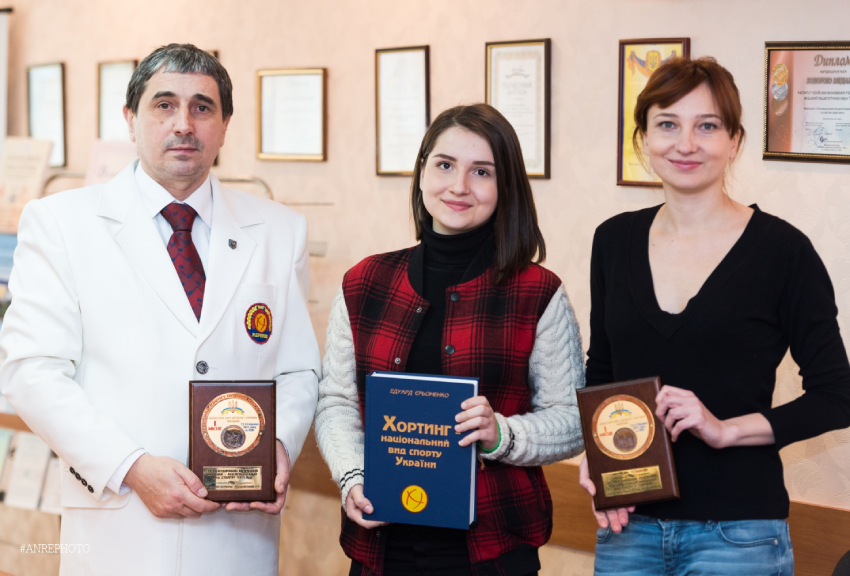
Based on theoretical analysis and empirical research, the study developed a system of criteria and indicators for assessing persistence in young schoolchildren: cognitive, emotional-value, and activity-practical. On this basis, three levels of persistence were defined: high, medium, and low, which enabled differentiated pedagogical intervention.
The pedagogical conditions for effective development of persistence were experimentally substantiated, including:
The content of the educational intervention included involvement of children in sports and recreational activities, Horting competitions, active games with Horting elements, meetings with athletes and sports specialists, and participation in school and national sports events such as the children’s military-sports game “Horting-Patriot.”
The methodological framework included a combination of pedagogical methods such as personal example, explanation, persuasion, storytelling, imitation, positive reinforcement, creation of success situations, and contrast-task methods that involved varying levels of difficulty in motor and technical tasks.
The experimental results demonstrated significant positive changes in the experimental group. The proportion of students with a high level of persistence increased to 28.1%, the medium level to 47.2%, while the low level decreased to 24.7%. In the control group, no significant changes were observed. The reliability of the results was confirmed using Pearson’s chi-square (χ²) test.
The findings confirm the effectiveness of the proposed pedagogical system for developing persistence in young schoolchildren through Horting training. The study demonstrates that systematic integration of competitive, game-based, and motivational approaches within Horting significantly enhances children’s volitional development.
The practical significance of the research lies in the development of methodological recommendations and structured educational content that can be applied in primary school physical education programs and extracurricular sports activities.
The study does not exhaust all aspects of the problem. Future research directions include the study of persistence development in different age groups, improvement of extracurricular sports systems, and teacher training for implementing innovative educational technologies in Horting-based programs.
.jpg)