


OLEKSANDR PASKO, Branch Director and Official Representative of the World Horting Federation in the State of North Carolina, United States of America: Message to Young Horting Instructors. June 28, 2026
North Caroline |
|
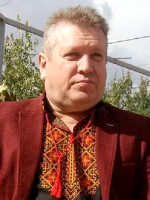 |
Branch Director and Official representative of the World Horting Federation in the State of North Carolina, United States of America
OLEKSANDR PASKO
Branch Director and Official Representative of the World Horting Federation in the State of North Carolina, United States of America
Representative address and contacts:
9324 Lucy Jane Lane Apt. 208
Charlotte, NC 28270, USA
Phone: +1 (980) 470-7837 mob.
|
Message to Young Horting Instructors
Oleksandr Pasko
Branch Director and Official Representative of the World Horting Federation in the State of North Carolina, United States of America
Branch Director and Official Representative of the World Horting Federation in the State of North Carolina, United States of America
"Being a Horting instructor is not simply a profession—it is a lifelong responsibility, a commitment to serve others, and an opportunity to positively influence the lives of children, young people, and entire communities. Every athlete who enters your training hall places trust in you. It is your responsibility to justify that trust through knowledge, professionalism, integrity, and personal example."
"Never stop learning. The strongest instructors are those who remain students throughout their lives. Continue improving your technical skills, study modern coaching methodologies, sports science, sports medicine, psychology, and educational practices. The more knowledge you gain, the more effectively you will help your students achieve their goals safely and confidently."
"Lead by example. Young athletes observe your actions far more carefully than your words. Your discipline, punctuality, honesty, physical fitness, healthy lifestyle, respect for others, and dedication to continuous improvement will inspire them every day. The best lesson a coach can give is the example of his own life."
"Always remember that every child is unique. Some athletes progress quickly, while others require more time, encouragement, and patience. Never compare students with one another. Instead, help each individual discover his or her own strengths and believe in their ability to succeed. Your task is not only to develop champions but also to help every student become stronger than they were yesterday."
"Teach more than techniques. Horting is a complete system of education that develops character as much as athletic ability. Every training session should strengthen discipline, responsibility, honesty, respect, courage, self-control, perseverance, leadership, and compassion. Medals may inspire for a moment, but character remains for a lifetime."
"Treat every athlete with fairness and respect. Build an atmosphere where students feel safe, supported, and motivated to improve. Success grows where there is trust between instructor and athlete. Encourage teamwork, mutual respect, and friendship, because these values create not only stronger competitors but stronger communities."
"Be patient and think long-term. Great athletes are not created in a few months. They are developed through years of consistent training, proper guidance, careful planning, and sincere dedication. Never sacrifice long-term development for short-term victories. Your responsibility is to protect the health, confidence, and future of every athlete entrusted to your care."
"Embrace innovation while preserving tradition. Horting continues to evolve through scientific research, modern coaching methods, and international cooperation. At the same time, never lose sight of the principles upon which our martial art was founded—honor, discipline, courage, respect, responsibility, and service to others. These values give meaning to everything we do."
"Work together with parents, fellow instructors, referees, and the entire Horting community. Great achievements are always the result of teamwork. Support one another, exchange knowledge, share experience, and contribute to the continued growth of Horting both nationally and internationally."
"Above all, remember why you became an instructor. Every child you teach represents an opportunity to make the world better. Through your knowledge, kindness, patience, and professionalism, you may inspire a future champion, a future leader, a future coach, or simply a good and honorable person. That is the greatest achievement any instructor can hope to accomplish."
Final Message
"Be proud to wear the emblem of the World Horting Federation. Carry it with honor, protect its traditions, and represent it with professionalism wherever you teach. Continue learning, continue serving, and continue inspiring others. Together, we are building not only stronger athletes but also stronger families, stronger communities, and a brighter future for the next generation through the values of Horting."
— Oleksandr Pasko
Branch Director and Official Representative of the World Horting Federation in the State of North Carolina, United States of America
Branch Director and Official Representative of the World Horting Federation in the State of North Carolina, United States of America
Guidance to Young Horting Instructors
By Oleksandr Pasko
Branch Director and Official Representative of the World Horting Federation in the State of North Carolina, United States of America
Branch Director and Official Representative of the World Horting Federation in the State of North Carolina, United States of America
"To every young Horting instructor, I would like to say this: never forget that the path of a coach begins with the path of a student. Continue learning, continue training, continue improving yourself every day. A true instructor is one who never believes that he has learned everything. The moment we stop growing ourselves, we stop helping others grow.
Remember that Horting is much more than a martial art. It is a philosophy of life based on honor, discipline, courage, respect, responsibility, and service to others. Every lesson you teach should strengthen not only the body but also the character of your students. Techniques can make an athlete stronger, but values make a person greater.
Lead through your own example. Your students will always imitate your actions before they remember your words. If they see your discipline, honesty, humility, professionalism, and dedication, they will naturally follow the same path. The greatest lesson any instructor can give is the example of his own life.
Respect every child who enters your training hall. Each student is unique. Some will become champions in sport, while others will become champions in life. Your responsibility is to help every athlete discover their strengths, overcome their weaknesses, and believe in themselves. Never underestimate the power of encouragement, because one kind word from a coach can change the future of a young person forever.
Protect the traditions of Horting, respect your teachers, and always remember those who passed their knowledge to you. Our martial art has been built through the dedication of generations of instructors. It is now our responsibility to preserve these traditions and pass them on with dignity, professionalism, and respect to those who come after us.
Continue studying modern coaching methods, sports science, sports medicine, and psychology, but never lose the spirit of Horting. Innovation and tradition should always move forward together. Only then will we continue to develop athletes who are technically skilled, physically strong, mentally resilient, and morally responsible.
Finally, never forget that being a Horting instructor is not simply a profession—it is a lifelong mission. Every training session is an opportunity to educate, inspire, and improve someone's life. Carry this responsibility with honor, because the future of Horting is built through the example we set today."
Motivational Message
"Always remember one simple truth—champions are never created by chance.
There are no shortcuts to success in Horting. There are no easy victories, no secret formulas, and no substitute for hard work. Every champion begins as an ordinary student who chooses to return to the training hall day after day, year after year, even when training is difficult and progress seems slow.
Every drop of sweat during training becomes confidence in competition. Every obstacle overcome builds stronger character. Every challenge accepted brings an athlete one step closer to excellence.
Teach your students that true victory begins long before they enter the competition arena. It begins with self-discipline, respect for their coach, respect for their teammates, respect for their opponents, and the determination to become better than they were yesterday.
Never allow athletes to fear failure. Defeat is not the opposite of success—it is part of the journey toward success. Every setback teaches valuable lessons, every mistake becomes experience, and every difficult training session builds future champions.
Believe in your students even before they believe in themselves. Inspire them to dream boldly, work tirelessly, and never surrender when the path becomes difficult. One day, they will remember not only the techniques you taught them but also the confidence you gave them to achieve what once seemed impossible.
The greatest champions are not those who win the most medals—they are those who never stop improving, never stop learning, and never stop respecting the values of Horting. Build champions with strong bodies, clear minds, and honorable hearts, and your legacy as an instructor will live on through every athlete whose life you have helped transform.
Train with discipline. Lead with integrity. Inspire with your example. Preserve the traditions of Horting. And remember—every great champion was once a beginner who refused to give up."
Memories of Training Under Eduard Yeromenko
By Oleksandr Pasko
Branch Director and Official Representative of the World Horting Federation in the State of North Carolina, United States of America
"When people ask me where my understanding of martial arts, discipline, and coaching philosophy began, I always return to the same memories. It was during the late 1990s and early 2000s, from approximately 1997 to 2002, when I had the privilege of training under Eduard Yeromenko. Those years became one of the most important periods of my athletic and personal development, shaping not only the fighter I became but also the coach and instructor I am today.
Our training sessions took place at Secondary School No. 16 in the city of Kamianske (then known as Dniprodzerzhynsk), Ukraine. At that time, the school was located in the very heart of the city, only a short distance from the city administration building. It was easily accessible by public transportation, with tram and bus stops located directly in front of the school. After exhausting evening practices, every athlete appreciated the convenience of being able to get home relatively quickly, because by the end of each training session we had truly given everything we had.
Looking back today, I can honestly say that those practices were among the most physically demanding training sessions I have ever experienced. We trained with complete commitment and maximum effort from the first minute until the very last exercise. There were no shortcuts, no easy days, and no excuses. Every athlete understood that entering the training hall meant being fully prepared to work harder than they thought possible.
At that time, Eduard Yeromenko was himself an active member of the Ukrainian National Team and a highly accomplished martial artist. Because he continuously trained and competed at the highest level, he expected exactly the same dedication from his students. He never allowed anyone to relax or lower their standards. Every drill had a purpose, every repetition mattered, and every athlete was expected to perform to the best of his abilities regardless of fatigue.
The adult training group consisted primarily of experienced fighters who had already developed strong physical conditioning and considerable competitive experience. The atmosphere in the gym was highly disciplined but also deeply respectful. Everyone understood that progress required hard work, consistency, and mutual trust. Younger or less experienced athletes were never humiliated or discouraged. On the contrary, the stronger fighters helped them improve, demonstrating techniques, correcting mistakes, and explaining how movements could be performed more efficiently. There was genuine respect between teammates, and everyone understood that helping one another ultimately strengthened the entire team.
The gym itself was modest by today's standards, yet it contained everything necessary to build complete martial artists. Heavy bags were used to develop powerful and technically correct striking. Focus mitts helped improve precision, timing, speed, and coordination. We spent countless rounds working with jump ropes to increase footwork, endurance, rhythm, and cardiovascular conditioning. Every exercise had a specific purpose within the overall training methodology.
The highlight of nearly every practice came at the end of the session when we participated in round-robin sparring. Every adult athlete faced multiple partners during the evening, which meant that everyone had to constantly adapt to different fighting styles, body types, temperaments, and tactical approaches. These sparring sessions were physically exhausting and mentally demanding. They prepared us not only for tournaments but also for the unpredictable situations that every martial artist encounters throughout competitive sports.
Although the sparring was intense and realistic, there was an important culture inside the gym that has remained with me throughout my life. Experienced athletes never attempted to dominate beginners simply because they could. Instead, they controlled their power responsibly, corrected mistakes during the exchanges, and afterwards shared advice on how techniques could be improved. This culture of respect, mentorship, and continuous learning became one of the strongest traditions established by Eduard Yeromenko and remains an important principle that I strive to preserve in my own coaching today.
The physical preparation demanded during those years was extraordinary. The training methodology emphasized functional strength, endurance, resilience, and complete athletic development. Every athlete was expected to perform large numbers of push-ups, pull-ups, abdominal exercises, squats, and partner-carry drills. Carrying a training partner across the gym, performing bodyweight conditioning circuits, and completing physically exhausting endurance exercises were considered normal parts of practice. We learned to rely on our own bodies rather than sophisticated equipment.
Recovery was equally important. Training sessions were conducted every other day—Monday, Wednesday, and Friday—but the intensity was so high that proper recovery became an essential part of athletic preparation. We quickly learned that nutrition, sleep, discipline, and personal responsibility outside the gym directly affected our performance during the next practice. These lessons taught us that becoming a successful athlete requires commitment not only during training but throughout everyday life.
What impressed me most about Eduard Yeromenko's coaching philosophy was his ability to prepare athletes both physically and mentally. His demanding training sessions gradually developed exceptional endurance, resilience, confidence, tactical awareness, and an instinctive sense of timing during combat. Every sparring session sharpened our reactions. Every conditioning drill strengthened our determination. Every difficult workout expanded our understanding of what we were capable of achieving.
At the time, many of us simply accepted these demanding sessions as normal. Only years later did we fully appreciate how carefully designed and effective that training system truly was. It prepared athletes to perform under pressure, remain calm while fatigued, recover quickly between rounds, maintain concentration, and continue fighting effectively even when physically exhausted. These are qualities that cannot be developed through easy training.
Today, having spent many years both as an athlete and as an instructor, I understand even more deeply the tremendous value of those experiences. The knowledge, habits, discipline, and mental strength we gained during those years have remained with us throughout our lives. They have influenced not only our sporting achievements but also our professional careers, family responsibilities, and personal character.
Many of the athletes who trained during that period continue to demonstrate excellent physical fitness, self-discipline, resilience, and confidence decades later. The lessons learned inside that training hall became life lessons. We discovered how to overcome adversity, work as a team, respect others, accept responsibility, and continue moving forward regardless of obstacles.
Looking back today, I realize that we were receiving much more than martial arts instruction. We were being educated through sport. Eduard Yeromenko taught us that true strength is measured not only by physical ability but also by discipline, honor, perseverance, respect, humility, and continuous self-improvement. Those principles continue to guide me every day as I work with my own students.
Now, as a coach and representative of the World Horting Federation, I consider it both an honor and a responsibility to preserve these traditions and pass them on to the next generation. The training methods may continue to evolve with modern sports science, but the core values remain unchanged. Discipline, hard work, mutual respect, and dedication will always be the foundation upon which true Horting champions are built.
If there is one lesson I carry with me from those unforgettable years, it is this: there are no shortcuts to excellence. Every champion is shaped through thousands of demanding training sessions, countless moments of perseverance, and the guidance of a coach who believes in developing character as much as athletic ability. I remain deeply grateful for those years of training under Eduard Yeromenko, because they helped shape not only my athletic career but the person I have become."
Following the Path of His Teacher: From Athlete to Coach and Leader
For Oleksandr Pasko, martial arts have never been simply a sport. They became a way of life, a school of character, and ultimately a lifelong mission dedicated to educating future generations through the philosophy and traditions of Horting.
His athletic journey began in his youth when he joined the training group led by Eduard Yeromenko. During the years from 1997 to 2002, countless hours spent in the gym, demanding physical preparation, intensive sparring sessions, and disciplined daily work shaped not only his athletic abilities but also his character, determination, and outlook on life.
Training under Eduard Yeromenko was a true school of perseverance. Every practice demanded complete commitment, maximum concentration, and absolute discipline. Success was never given — it had to be earned through hard work, respect for the coach, respect for teammates, and the willingness to overcome physical and mental limitations. Those years taught Oleksandr that true champions are created through consistency, patience, and thousands of hours of dedicated training.
As the years passed, Oleksandr Pasko developed into a skilled and confident martial artist. His technical abilities, physical conditioning, competitive experience, and understanding of combat sports steadily improved under the guidance of his teacher. However, perhaps even more importantly, he learned the values that distinguish a true martial artist—honor, integrity, responsibility, humility, self-discipline, and respect for others.
While many athletes complete their competitive careers and move on to other professions, Oleksandr chose a different path. Inspired by the example of Eduard Yeromenko and grateful for everything he had learned, he realized that he wanted to dedicate his own life to coaching and to helping young people experience the same opportunities for growth that martial arts had given him.
He understood that becoming a coach meant accepting a far greater responsibility than simply teaching techniques. A coach becomes a mentor, educator, leader, and role model whose influence extends far beyond the walls of the training hall. Determined to continue the traditions established by his teacher, Oleksandr began developing his coaching skills while remaining committed to continuous professional education and personal improvement.
Throughout his coaching career, he has faithfully preserved the principles that he learned during his own years as a student. He believes that technical excellence should always be accompanied by strong moral values, discipline, respect, and genuine care for every athlete. Every student who trains under his guidance is encouraged not only to become stronger physically but also to become a better person.
As his coaching experience expanded, so did his contribution to the international development of Horting. Through his professionalism, organizational abilities, leadership, and dedication to promoting the values of Horting, Oleksandr earned the confidence and respect of colleagues within the World Horting Federation.
His years of active service, commitment to athlete development, and ability to unite people around the ideals of Horting ultimately led to one of the greatest honors of his career—his appointment as Branch Director and Official Representative of the World Horting Federation in the State of North Carolina, United States of America.
This appointment represents far more than an administrative position. It reflects the confidence placed in him by the international Horting community and recognizes his ability to promote the Federation's mission, develop new programs, support instructors, organize sporting events, strengthen international cooperation, and expand opportunities for children, youth, and adults to participate in Horting.
Today, Oleksandr Pasko continues the work begun by his teacher many years ago. He strives to preserve the traditions of Horting while embracing modern coaching methods, sports science, and international best practices. Every athlete he trains becomes part of a coaching tradition that has been carefully passed from one generation to the next.
His greatest satisfaction comes not from personal recognition but from watching his students grow into confident athletes, responsible citizens, successful professionals, and future instructors who will one day continue this educational mission themselves. He believes that the true legacy of a coach is measured not by medals alone but by the lives he helps shape.
Reflecting on his own journey, Oleksandr often emphasizes that without the guidance of Eduard Yeromenko, his path might have been very different. The lessons learned during those formative years continue to influence every aspect of his coaching philosophy, leadership style, and commitment to lifelong learning.
Today, as Branch Director of the World Horting Federation in North Carolina, he proudly carries forward the traditions of his teacher while building new opportunities for Horting in the United States. His work demonstrates how the knowledge, values, and philosophy passed from one dedicated instructor to one determined student can eventually inspire countless others around the world.
For Oleksandr Pasko, this journey — from young athlete to experienced coach, and from devoted student to official representative of the World Horting Federation — is more than a personal success story. It is a testament to the enduring power of mentorship, discipline, education, and the belief that every generation has the responsibility to preserve the traditions of Horting while inspiring those who will carry them into the future.
From the Secretariat of the World Horting Federation
Personal Qualities That Contribute to the Development of Horting in North Carolina
The successful development of Horting in the State of North Carolina is built not only upon technical knowledge and coaching experience but also upon the personal qualities demonstrated by Oleksandr Pasko in his daily work. As Branch Director and Official Representative of the World Horting Federation in the State of North Carolina, United States of America, he combines professional competence with leadership, integrity, and a sincere commitment to serving athletes, families, and the local community.
One of his greatest strengths is his strong sense of responsibility. Oleksandr approaches every aspect of his work with professionalism, understanding that the reputation of the World Horting Federation is reflected in the quality of every training session, educational program, public event, and interaction with athletes and parents. He believes that consistency, reliability, and accountability are fundamental to building long-term trust within the community.
His leadership qualities enable him to unite people around a common purpose. Whether working with instructors, athletes, volunteers, parents, or community partners, he creates an atmosphere of cooperation, mutual respect, and shared responsibility. He understands that the sustainable growth of Horting depends on teamwork, open communication, and a collective commitment to excellence.
Oleksandr is also known for his ability to inspire others through personal example. He maintains an active and healthy lifestyle, continues his own physical training, and remains committed to lifelong learning. By demonstrating discipline, perseverance, professionalism, and respect in his own life, he motivates young athletes and fellow instructors to pursue continuous improvement and to set high standards for themselves.
Another important quality is his excellent communication skills. He values open and respectful dialogue with students, parents, coaches, and members of the community. His approachable and supportive leadership style helps create a welcoming environment in which every athlete feels respected, encouraged, and motivated to develop both physically and personally.
His years of experience in martial arts have strengthened his patience and emotional resilience. Oleksandr understands that every athlete develops at a different pace, and he believes that lasting success comes from consistent guidance rather than pressure. He encourages perseverance during difficult moments, celebrates individual progress, and helps students build confidence through steady achievement.
A defining characteristic of his leadership is his commitment to youth development. For Oleksandr, coaching extends far beyond preparing athletes for competitions. He sees every training session as an opportunity to teach discipline, responsibility, honesty, respect, teamwork, and self-confidence. His goal is to help young people become successful not only in sport but also in education, professional careers, and everyday life.
Oleksandr is also highly organized and forward-thinking. He carefully plans training programs, educational initiatives, demonstrations, seminars, and community activities that support the long-term growth of Horting in North Carolina. He believes that sustainable success is achieved through thoughtful planning, continuous evaluation, and a willingness to adapt to the evolving needs of athletes and local communities.
His openness to innovation complements his respect for tradition. While preserving the philosophy and values of Horting established by its founders, he actively studies modern coaching methodologies, sports science, sports medicine, injury prevention, and educational practices. This balanced approach enables him to offer training programs that combine traditional martial arts principles with contemporary evidence-based instruction.
Equally important is his cultural awareness and ability to work with diverse communities. North Carolina is home to people from many cultural backgrounds, and Oleksandr believes that Horting should be accessible to everyone who wishes to improve their physical fitness, confidence, and personal development. He strives to create an inclusive environment where individuals of different ages, backgrounds, and experience levels are welcomed with respect and encouragement.
His commitment to ethical leadership is reflected in every aspect of his work. Fairness, honesty, transparency, respect for others, and adherence to the highest professional standards guide his decisions as both a coach and Federation representative. He believes that trust is earned through actions, consistency, and genuine concern for the well-being of every athlete.
Above all, Oleksandr Pasko possesses a deep passion for Horting and a sincere desire to see the martial art continue to grow in the United States. His enthusiasm, dedication, and positive attitude inspire those around him to become active participants in the development of the Horting community. He views every new student, every instructor, and every successful event as another step toward strengthening the Federation's presence in North Carolina.
Core Leadership Qualities
-
Strong Professional Responsibility and Accountability
-
Integrity and Ethical Leadership
-
Commitment to Lifelong Learning and Self-Improvement
-
Inspirational Leadership Through Personal Example
-
Excellent Communication and Interpersonal Skills
-
Dedication to Youth Education and Character Development
-
Patience, Emotional Intelligence, and Respect for Every Athlete
-
Organizational Excellence and Strategic Planning
-
Team Building and Community Engagement
-
Promotion of Healthy Living and Active Lifestyles
-
Openness to Innovation While Preserving Horting Traditions
-
Cross-Cultural Communication and Inclusive Leadership
-
Long-Term Vision for the Development of Horting in North Carolina
-
Professional Representation of the World Horting Federation
Through these qualities, Oleksandr Pasko continues to strengthen the presence of the World Horting Federation in North Carolina, creating opportunities for children, youth, and adults to discover the values of Horting. His leadership reflects the Federation's commitment to excellence, education, respect, and international cooperation, contributing to the continued growth of Horting throughout the United States.