


Dr. Eduard Yeromenko. Scientific and experimental research "Research on pedagogical conditions for increasing motor activity of schoolchildren in physical education classes", from September 2025 to April 2026
A page on the official website of the World Horting Federation featuring a comprehensive description of a scientific article published in a peer-reviewed journal in the field of pedagogy: Eduard Yeromenko. Research on pedagogical conditions for increasing motor activity of schoolchildren in physical education classes
Link to the article: https://horting.us/node/43177
Bibliographic citation:
Yeromenko, E. (2026). Research on pedagogical conditions for increasing motor activity of schoolchildren in physical education classes. Military Horting of Ukraine, (4), 256–266.
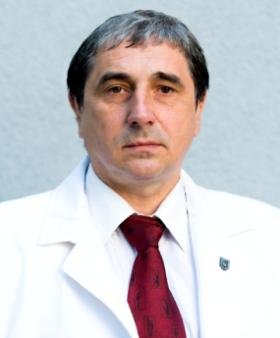
Author of a research article or scientific publication
 |
President of the World Horting Federation Inc.
 Head of the Scientific Committee of the World Horting Federation
Dr. Eduard Yeromenko
Founder of the sport of horting, developer of scientific and methodological programs for different age groups, researcher in the field of physical culture, physical therapy and sports medicine
Previous official place of employment:
Professor of the Department of Law Enforcement Activities, Educational and Scientific Institute of Economic Security and Customs Affairs, State Tax University of Ukraine
Facebook page: https://www.facebook.com/Eduard.Yeromenko/
Google Scholar profile: https://scholar.google.com.ua/citations?hl=ru&user=hwp1rNsAAAAJ
Scientist profile in ORCID: https://orcid.org/0000-0002-8162-7539
Scientist profile in Web of Science: Web of Science ResearcherID: AAQ-1362-2021. Publons – Link: https://publons.com/researcher/4486606/eduard-yeromenko/
Scientist profile in Scopus: Scopus Author ID: 57218348627, https://www.scopus.com/authid/detail.uri?authorId=57218348627
|
The scientific and experimental research entitled "Research on Pedagogical Conditions for Increasing Motor Activity of Schoolchildren in Physical Education Classes" was conducted during the period from September 2025 to April 2026 in the State of New Jersey, United States.
Official publication:
Eduard Yeromenko. Research on pedagogical conditions for increasing motor activity of schoolchildren in physical education classes.
Available at: https://horting.us/node/43177
1. Title of the Scientific Research
Research on Pedagogical Conditions for Increasing Motor Activity of Schoolchildren in Physical Education Classes
Author: Eduard Yeromenko
2. Bibliographic Description
Yeromenko, E. (2026). Research on Pedagogical Conditions for Increasing Motor Activity of Schoolchildren in Physical Education Classes.
President, World Horting Federation, Inc.
New Jersey, United States.
ORCID: https://orcid.org/0000-0002-8162-7539
Abstract. The scientific article publishes the results of scientific research experimental work in the field of physical education of schoolchildren, analyzes the features of the organization of teaching a healthy lifestyle to students of different age groups by means of physical education classes, the conditions for increasing the functional reserves of the body of schoolchildren in the process of physical exercises, pedagogical conditions and methods of physical education of schoolchildren. It is noted that the volume of mastering motor skills, which increases every year, requires students to have great mental stress and physical effort. In this regard, the successful mastering of educational subjects depends not only on the desire and abilities of students, but also on their health and level of physical fitness. Measurements of the volume of necessary physical activity, performing important functions, are closely related to education, science, health care, culture and therefore reflect the social and economic life of each person and society as a whole. The important importance of physical culture and sports for schoolchildren is indicated by state documents adopted in the United States. The documents state that physical culture is an important factor in a healthy lifestyle, disease prevention, organization of meaningful leisure, formation of humanistic values and creation of conditions for comprehensive harmonious human development. Taking into account the data on the health status of schoolchildren of junior, middle and senior grades studied by scientists and taking into account the age characteristics of school-age children, in this work we pay attention to: fostering in them an interest and habit of doing physical exercises; fostering a caring attitude towards one's health; forming stable motivational guidelines for a healthy lifestyle; awareness of the need to develop one's physical abilities and motor skills and abilities; fostering moral-volitional and psychological qualities of students by means of physical training. The upbringing of children and schoolchildren by means of physical culture and sports can be carried out during the educational process in educational institutions in curricular and extracurricular activities, as well as outside of school. The key content areas of such activities are studying methods of regulating physical activity, conducting training, enriching motor experience, and other forms of work with children and youth.
Keywords: volume of physical activity, adaptation to motor actions, healthy lifestyle, education system, schoolchildren,
physical education, importance of physical culture, age characteristics.
Scientific and experimental research work in the field of physical education
RESEARCH ON PEDAGOGICAL CONDITIONS FOR INCREASING MOTOR ACTIVITY OF SCHOOLCHILDREN IN PHYSICAL EDUCATION CLASSES
Eduard Yeromenko
NEW JERSEY, UNITED STATES
Doctor of Philosophy (PhD) - Physical Education and Sports, Pedagogy;
Honored Worker of Physical Culture and Sports of Ukraine;
Honored Coach of Ukraine; Master of Sports of Ukraine of international class;
Major of the Air Assault Forces of the Armed Forces of Ukraine, combat veteran.
https://orcid.org/0000-0002-8162-7539
Relevance of scientific research. When studying physical exercises and the principles of a healthy lifestyle, it is necessary to take into account the age characteristics of schoolchildren. Thus, in adolescence and youth, the personal value of health is not yet sufficiently formed. Not all schoolchildren realize health as a prerequisite for achieving life success, self-realization, and can also predict the impact on health of the consequences of their behavior. In order to assess the effects of physical activity on the body of schoolchildren of different age groups, we study the characteristics of the child's body, its physical fitness, the level of understanding of the goal of physical improvement and interest in the development of motor skills.
Presentation of the main material. At the younger school age, children may not understand the importance of physical education, but they are already able to instinctively perform a large amount of physical exercises. And the peculiarities of organizing the teaching of a healthy lifestyle to adolescents and young men of middle school age require study and necessary adjustments regarding the use of means and methods of increasing the physical load on the young body of the student. This process should be consistent, moderate, and realistically adapted to the knowledge and skills of the students. In the second childhood (up to 10–12 years), any physical exercises are recommended for children.
An exception should be made only for types with prolonged static holding of weights (which negatively affects the musculoskeletal system and the growth of the child's body in length) and types with prolonged tension (due to increased intrathoracic and intra-abdominal pressure, since this can adversely affect the development of the schoolchild's cardiovascular system).
Children of this age do not like to perform long monotonous physical exercises, so the best means of physical education for them are games. It is the game that is an excellent means of physical, aesthetic, labor, moral education, and it also stimulates the cognitive activity of a young person. By giving any type of children's activity a game form, you can support and increase the child's working capacity, interest, inclinations and receptivity [13].
Middle school age (11–15 years) is a period of maximum growth rates of the body and its individual parts, an increase in functional reserves. Hormonal restructuring occurs, associated with puberty. With an increase in the role of the second signaling system, suggestibility decreases, and imbalance and emotionality increase. The process of ossification of the skeleton continues, and it occurs unevenly in different parts of it. The spine, as before, is mobile and flexible. Muscle strength increases to a lesser extent than body weight, which under adverse conditions can cause posture disorders or spinal deformation. At the same time, excessive muscle loads can accelerate the ossification process and slow down the growth of tubular bones in length. Under the influence of very strong or monotonous stimuli, adolescents develop excessive inhibition, which forces them to diversify physical loads in the process of doing physical exercises of various directions.
In adolescence (11–14 years in girls, 12–15 years in boys), changes occur in the entire functioning of the body due to the rapidly ongoing processes of puberty. In these conditions, the role of motor activity is very significant.
Activation of the functions of the gonads with the onset of puberty leads, in particular, to the fact that the growth of a teenager can sometimes increase by 15–20 cm in a few months. This creates a number of problems with the activity of various organs and systems of the young organism. First of all, with the increase in heart mass during this period, the increase in body length leads to the fact that arterial vessels are stretched and their lumen does not change at this time [12]. That is why strong contractions of the heart, which have become more powerful, also give a greater release of blood into these relatively narrow vessels, which quite often provokes the so-called juvenile hypertension. But if a teenager is engaged in physical training, leads a healthy lifestyle and has an active motor regime, then he is not threatened by the adverse consequences of such a violation. Conversely, if in this case the child is limited in regular sports, then this habit remains for several years, and even decades, and by 35–40 years this person may become hypertensive.
Intensive growth of the body in length causes stretching of the back extensor muscles, so the slender muscles are not able to keep the back straight, and adolescents often have posture disorders. To prevent such disorders, it is necessary to train the back muscles, their static endurance, and to constantly monitor posture. With weakness of the back extensor muscles and incorrect sitting of a teenager at the study table, there is a possibility of not only posture disorders. When the distance from his eyes to the working surface (table, book, etc.) is less than 30–35 cm, gradually there is atony of those muscles and eye ligaments on which the curvature of the lens depends. Now they cannot ensure the appropriate flattening of the lens of the eye when seeing into the distance, and myopia occurs.
Therefore, it is very important at this age to lead an active lifestyle, engage in motor activity in the form of physical activity, perform various physical exercises in order to prevent the possibility of those adverse changes in the physical condition, psyche and health of the teenager in general. The importance of sports increases many times over if they are accompanied by a conscious attitude towards them by the teenager. He should not just do physical exercises - he should think, well imagine the mechanisms of the influence of these exercises on his body. Only such an approach can provide the teenager with a stable interested attitude to physical activity, which he will carry throughout his entire future life.
Puberty affects the state of vegetative functions (changes in the rhythm of cardiac activity and respiration, blood pressure levels, etc.). Due to normal physical development in adolescents, the functional reserves of the oxygen-transport system increase (increasing stroke volume and minute blood volume, oxygen capacity of blood, minute respiratory volume, absolute MOU indicators), and the economization of functions at rest increases (decreasing heart rate and respiratory movements, etc.).
Absolute VO2 max (Maximum Oxygen Uptake, also known as VO2 max) is the maximum volume of oxygen that your body can consume, transport and convert into energy in 1 minute during intense physical activity.
At this age, the difference between the functional and physical capabilities of girls and boys is increasing. The physical activity of a teenager is realized primarily in organized forms - in physical education classes, in the process of sectional sports, during active recreation at school and outside it. A significant part of teenagers train in sports sections of educational institutions and private sports clubs. For those who are not covered by organized forms of mass physical education, daily physical exercise and two or three weekly independent trainings in the chosen sport are mandatory [14]. The duration of one lesson is 70–90 minutes. In order to assess the process of physical development, it is advisable to focus on the control indicators of physical fitness of students of sports sections of adolescents aged 14 years (Table 1).
Table 1
Control indicators of physical fitness of students of sports sections of adolescence (14 years old)
|
Indicators |
Normative values of the indicator |
|
|
boys |
girls |
|
|
1. 2000 m run, min., s |
9,20 |
10,30 |
|
2. Walking 10 km, hours, minutes |
1,45 |
2,45 |
|
3. Push-ups from the floor, times |
22 |
12 |
|
4. Long jump from a standing position, m |
1,8 |
1,6 |
|
5. 60 m run, s |
9,6 |
9,9 |
|
6. 100 m run, s |
15,0 |
16,2 |
|
7. Cycling distance 30 km, hours, minutes |
1,30 |
1,40 |
|
8. Ski pass 5 km, min |
28 |
32 |
Schoolchildren have already formed an attitude towards a particular problem, which can often differ from the assessments and views of the physical education teacher at school. Communication with peers is of great importance for students, so the opinion of friends, classmates, and only then - teachers and parents is significant for them. Schoolchildren of this age (considered the age of complex psychological changes) are often distrustful of the information they receive from adults, believing that their views are outdated, do not correspond to reality, exaggerate the danger, etc.
Given the age characteristics of adolescents and young men, the physical education teacher can recommend the following when teaching a healthy lifestyle:
avoid imposing ready-made assessments and standards on students. The main attention should be paid to creating conditions that stimulate an active exchange of views between adolescents, discussion and analysis of different positions;
use forms and methods that provide the students themselves with the role of leaders, organizers of work. For example, anti-drug information presented by peers will have a more effective effect than information received from the teacher;
the main emphasis should be placed on the most significant factors for the student. For example, it should be shown that deterioration of health can negatively affect the appearance of a teenager and his sports achievements in the type of training he has chosen, lead to restrictions in choosing a profession, difficulties in relationships with others, etc.
When teaching students the basics of a healthy lifestyle, it is recommended to use such forms of work that are mainly interactive in nature and are based on the independent, creative activity of the students themselves.
Project activities provide students of sports sections with the highest level of independence, they act as developers and executors of projects. This form of work allows you to satisfy one of the main needs of this age - to feel like an adult, to show yourself in socially significant activities [49–62]. As a result, students develop universal useful skills (the ability to set tasks and carry out the planned ones, rationally distribute their work, the ability to calculate their strength, the ability to cooperate with others, etc.), and also solve special educational tasks (for example, the formation of a negative attitude towards drug use, the acquisition of useful habits, skills for strengthening health and hygiene of the body).
Discussions contribute to the formation of a young athlete's personal position on a particular problem that is perceived as significant, interesting. The discussion can be organized in the form of a round table, talk show, brain-ring, or simple communication with a coach during regular training, etc. Parents, as well as representatives of various professions – coaches, teachers, doctors, psychologists, lawyers, etc., can participate in the discussion. This will make the discussion more interesting and meaningful. The diverse age composition of participants will help adults and schoolchildren hear each other and understand the other's position.
Games. Traditionally, it is customary to consider the game as the leading form of activity in preschool and primary school age. Meanwhile, the game continues to retain its importance at subsequent age stages. Thus, in middle and high school students, the game manifests itself as a form of realizing the motivation for achievement and self-determination during sports. You can use role-playing, situational games, which are effective for working out specific behavioral patterns.
Lecture is the most popular form of work among adults and the most "unloved" among students. However, when discussing a number of topics (for example, the history of physical education, the development of a certain sport, etc.), such a form turns out to be necessary. In this way, it is possible to increase the coefficient of useful action. When choosing a topic for a speech, the interests of the student audience should be taken into account. The information provided about physical training should be objective and reliable. Even with the best intentions, one should not distort the data, trying to warn their listeners. After all, such artistic exaggerations can cause distrust of the lecturer, doubts about his competence. In addition to the classic version of the lecture, such forms as lecture-discussion and lecture with feedback can be used. Lecture-discussion includes not only the presentation of the material, but also its discussion. When conducting a lecture with feedback, the lecturer presents problematic information, which is then discussed by young athletes in small groups. The task of the groups is not only to express their attitude to what they heard, but also to present their own solution to the problem.
Thus, when teaching young athletes the basics of a healthy lifestyle, it is necessary to take into account the psychological and pedagogical features of the formation of a personal attitude to one's health at different stages of a child's age development. Special modular educational programs should be used in schools aimed at forming the values of health and a healthy lifestyle in children and adolescents.
The distinctive features of such programs are:
1. The predominance of interactive methods of organizing education. That is, the role of students is not limited to the passive perception of ready-made information. Young athletes are active participants in the educational process, which stimulates their independence and creative activity.
2. The practical significance of the program content. Assessments, techniques and skills should be relevant for a specific age group of children, in demand in their everyday lives.
3. The modularity of the structure and content, which provides variability when choosing implementation options (educational, extracurricular activities, etc.), implementation terms (chosen by the teacher himself depending on the characteristics of the children's audience).
4. Ensuring active participation of the family in the educational process. Adult family members should be aware of the importance and significance of the results that the child's health program is aimed at achieving, and participate in its implementation.
5. Organize the inclusion of health-forming components in all subjects of the general education cycle within the allotted number of hours in the basic curriculum.
It is necessary to take into account the recommendations developed by specialists and scientists in the field of physical education, kinesiology and health. This work should be organized in such a way that students do not get tired. Fatigue is often confused with tiredness, considering it a mild degree of fatigue. However, fatigue, a mental phenomenon, is an experience caused by fatigue [2–8]. The degree of tiredness and fatigue may not coincide in physiological indicators.
It depends on the emotional background – positive or negative – of the training or educational activity. You can get tired from idleness. And vice versa – a person who is passionate about work does not feel tired even when some physiological changes indicate a state of fatigue. The onset of fatigue during physical exercise can be monitored using Table 2.
Table 2
External signs of fatigue in students during physical exercise
|
Observation objects |
Fatigue |
||
|
Minor |
Significant |
Critical |
|
|
Warning |
Rare distractions |
Scattered attention, frequent distractions |
Weakened attention, no reactions to new stimuli (new language cues) |
|
Position |
Unsteady posture, leg pulling and torso straightening |
Frequent change of posture, turning the head in different directions, leaning, supporting the head with the hands |
The desire to put your head on the table, stretch out, leaning against the back of a chair |
|
Movement |
Precise movements |
Uncertain, slow movements |
Fussy movements of hands and fingers |
|
Interest |
Lively interest, asking questions |
Weak interest, no questions |
Complete lack of interest, apathy |
Research on pedagogical conditions for increasing motor activity of schoolchildren in physical education classes
The conditions for increasing the functional reserves of children of senior school age in the process of playing sports differ in the amount of physical exertion that the athlete overcomes. During the period of senior school age (15–17 years), the growth of the overall body size in length is practically completed and a significant predominance of growth processes in transverse dimensions is noted. The strength of the skeleton, including the spine and chest, increases.
Sex differences in the size, body proportions, muscle mass, functional reserves and physical performance of boys and girls become more noticeable [1]. The development of the central nervous system is completed, although the process of excitation somewhat prevails over the strength of the process of inhibition.
To maintain a sufficient level of physical development in adolescence, one should train at least 2–3 times a week for 1.5–2 hours. Daily morning physical exercise is mandatory. The benchmark for optimal development is the control standards for physical fitness of young athletes (Table 3).
Table 3
Physical fitness benchmarks for boys and girls aged 15-17 who participate in sports clubs at educational institutions
|
Indicators |
Normative values of the indicator |
|
|
Young men |
Girls |
|
|
1. Running 3000 m, min, s |
12,50 |
– |
|
2. Running 2000 m, min, s |
– |
11,0 |
|
3. Walking 20 km, hour, min |
3,45 |
4,00 |
|
4. Pull-ups on the crossbar, times |
8 |
– |
|
5. Push-ups from the floor in a lying position, times |
30 |
10 |
|
6. Long jump from a standing position, m |
2,10 |
1,80 |
|
7. 100 m run, s |
13,50 |
16,2 |
|
8. Cycling race 30 km, hours, minutes |
80 |
90 |
|
9. Ski race 10 km, min, s |
60 |
70 |
In modern school education, educational institutions increase the level of information necessary for students to learn. The volume of information learning, which has been increasing every year, requires high school students to have great mental stress and physical effort. In this regard, the successful mastery of academic subjects depends not only on the desire and abilities of students, but also on their health and level of physical fitness. Therefore, as stated in the legislative documents of the United States, the priority task is to educate a person in the spirit of a responsible attitude to their own health and the health of others as the highest individual and social value. This is done through the development of physical culture facilities, full medical care, optimization of the educational process, and the creation of an environmentally friendly living space.
The development of physical culture, performing important functions, is closely related to education, science, health care, general culture and therefore reflects the social and economic life of society. The important importance of physical culture and sports for high school students is indicated by the adopted state documents of the United States of America [9–12]. The documents state that physical culture is an important factor in a healthy lifestyle, disease prevention, organization of meaningful leisure, formation of humanistic values and creation of conditions for the comprehensive harmonious development of a person.
Taking into account the general statistical data on the health of high school students and taking into account the age characteristics of high school children, it is necessary to pay attention to:
cultivating in students an interest and habit of doing physical exercises and improving their health;
cultivating a caring attitude towards their physical condition;
forming stable motivational guidelines for a healthy lifestyle;
awareness of the need to develop their physical abilities and motor skills and abilities;
cultivating the moral, volitional and psychological qualities of young athletes.
As evidenced by the analysis of the literature, the main ways to increase motor activity and develop motor skills and abilities in high school students in physical education classes are:
the use of educational and entertaining games;
competitions that will help activate students for the purpose of rivalry and self-affirmation in the team;
the use of non-standard lessons;
the use of functional music (musical accompaniment helps young athletes to perform the proposed training tasks more actively, with emotional uplift).
In children of senior school age, motor activity is usually spontaneous, unorganized, and usually represents periodic short, repeating segments. For example, through direct observation, scientists have noticed that motor activity in boys and girls of this age is predominantly periodic in nature.
Senior school age (15–17 years) is a period of completion of the growth of the body and individual parts, an increase in functional reserves, the harmonious restructuring associated with puberty is completed, the central nervous system becomes more balanced. Boys of this age begin to attend classes in their chosen sport more often to increase muscle mass, girls begin to monitor their figure. The increase in the number of cardiovascular disorders among schoolchildren is one of the characteristic features of the present. First of all, they are caused by information overload, stressful situations and hypodynamia. The leading among these factors is a decrease in the level of motor activity. In this regard, the majority of senior schoolchildren cannot perform physical loads during sports training, in physical education lessons, provided for by the curriculum.
At the same time, severe physical inactivity causes a decrease in the adaptive capabilities of the cardiovascular system, dysfunction of the autonomic nervous system, as a result of which the cardiovascular system functions inefficiently even at rest. Many available methods and indices are offered to assess the condition and functioning of the cardiovascular system, and the main ones are:
Robinson index;
Martine-Kushelewski test;
Harvard step test;
Curdo index.
To assess the functional state of the cardiovascular system of schoolchildren and determine their suitability for physical education classes, the method of conducting the Rufier functional test is often recommended. However, it should be noted that the attitude to the Rufier test as a criterion of "health" is ambiguous, both among sports coaches, teachers, and doctors. When assessing the Rufier index, it is necessary to take into account the method of conducting the test and the age of schoolchildren. The interpretation of the Rufier test should be carried out taking into account the "age dynamics of the pulse". With decreasing age, the value of the index increases.
For boys, the age correction of the index is proposed to be greater than for girls. In the practice of sports training, the Ruffier index is determined as follows: the subject, who lies for 5 minutes, has his pulse counted for 15 seconds (P1).
Then he is asked to do 30 squats in 45 seconds (squatting - hands forward, standing up - down). After that, the subject lies down and his pulse is counted for the first 15 seconds (P2) and the last 15 seconds (P3) of the first minute after the load.
The obtained results are substituted into the formula:
Ruffier Index = (4(Р1+Р2+Р3) – 200):10
The levels of functional reserve of the heart are determined taking into account five gradations:
less than 0.1 — high level (athletic heart);
0.1–5.0 — very good level;
5.1–10.0 — good;
10.1–15.0 — moderate heart failure;
15.1–20.0 — severe heart failure.
The problem of preserving and strengthening the individual health of high school students is being studied today at all levels of the system of sports training, health care, education, social services, etc. The works of researchers have revealed contradictions that lie at the heart of the problem. They are conventionally divided into groups of contradictions related to the level of physical, socio-psychological and spiritual well-being of a high school student.
These contradictions reflect, mainly, the external side of the student's life and are only a consequence (form of manifestation) of deeper internal, socio-economic, political and, as a result, personal processes, which constitute the essence of the problem of the development of today's American society, education and, in particular, the health of the student. From the standpoint of social pedagogy in the United States, the problem is currently apparently caused by the gap (discrepancy) between the sharply increased political, material, and spiritual capabilities (prerequisites of will) and the level of basic culture of people living in different states of a large country, as well as a country diverse in cultural characteristics.
However, for a high school student who is engaged in physical exercises, the culture of health is the main component of the basic culture, the system of his individual health and the level of personal development. The World Federation Horting Inc, registered in the state of New Jersey, made an attempt to summarize the results of socio-pedagogical developments on this problem based on a systemic approach, to present the process of preserving and strengthening the health of a high school student in the form of an open, self-organizing system.
In this scientific and experimental work, the system of preserving and strengthening the individual health of a schoolchild is considered as a single whole of the culture of health and his lifestyle. With this formulation of the problem, the culture of health is defined as the controlling (determining at this stage of time) part, and the lifestyle is the controlled part of the system. Both parts of the system are also interconnected and united with the natural and socio-cultural environment. The environment sets, forms and approves the criteria for optimal management and correction of the system (criteria for the effectiveness of its vital activity).
The content of the culture of health (in relation to young people who constantly use physical exercises as a way to improve physical qualities) has a pronounced educational orientation and is considered as one of the main characteristics of optimizing educational activities. This is actualized by the following conditions. Achieving the so-called "practical health" as the average statistical norm (average between illness and health) of the vital activity of the body of a student of the sports section of an educational institution of a certain age in specific conditions of existence at the moment can be considered satisfactory. But scientific research of recent decades convinces that the norm of human health should be considered the state of vitality and homeostasis of a particular individual at the age of 20–30 years in optimal conditions of existence.
Such a state is short-lived, but in this state the probability of illness and death of the organism is minimal. Later, the homeostasis of the human body, as a rule, as a result of aging deviates from this norm. Aging, in turn, is accompanied by the occurrence of chronic diseases that reduce the level of vital activity of the organism. The health culture of a high school student should consciously orient him to the "ideal" individual health, to such a way of life and the state of the environment in order to maintain a harmonious state of health for a fairly long time. The content of health culture for high school students in terms of educational and educational activities by means of sports training should be based on and uphold the priority importance of creative activity, humanity and spirituality of students in overcoming diseases and in the formation of a strong and stable health system.
At the same time, the possibility and expediency of self-improvement, self-creation, self-healing are recognized and accepted as a guide: a person is able to help himself by forming and using loads that train the body, hygienic skills and abilities, perception of the positive aspects of life, co-creation of all surrounding people in creating everyone's health.
The content of health culture (in the educational aspect of the United States) assumes the life of an athlete in harmony with the environment, the combination of the ideals of Truth, Goodness and Beauty, the combination of research, educational and artistic principles.
Today, one of the leading elements of the content part of the health culture of high school students in American schools is the conscious understanding and acceptance as a principle of the condition of sufficiency (as in medicine - do no harm) and not only to oneself, but also to others, to nature.
The level of culture of the student is determined by how much the young athlete realizes this. The lack of culture of each and everyone together is the main cause of medical and socio-ecological problems, intensive pollution of the natural and socio-cultural environment. We emphasize that in some countries there is no holistic concept of a system for preserving and strengthening the health of each student. Instead, in the United States, these issues are dealt with by the governments of each state, developing government documents that regulate the issues of education and health improvement of people.
The content of the health culture of a high school student who is constantly engaged in the gym involves the instillation, in particular, of practical knowledge, skills and abilities that contribute to the development of valeological and ecological competence and, as a result, stereotypes of behavior and lifestyle (the controlled part of the system), which ensures the proper level of health for a long time.
Thus, according to its content, the health culture of a high school student engaged in training in the chosen sport is a component of the basic culture (on the one hand), and the result of development as a single whole, physical, biological, social-psychological and spiritual component of a person, and the formation of a personality (on the other). Such content to a certain extent determines the content and, as a result, the way of life of a person, which are manifested in the acceptance (internalization) by the athlete of subjective life values, specific needs, motives, goals, knowledge, skills, abilities, behavior and activity, norms and principles of activity, value searches, etc., which are directly related to the way of life, personal health and the state of the environment.
The structure of the health culture of a high school student involved in sports can be represented by its criteria, parameters and factors, as well as their relationships, as separate subsystems of the general health system.
The most general criterion of effectiveness is the success of life activities, the ability to actively create life and subjective satisfaction with life. Specific and quantitatively assessed criteria may be, for example, the dynamics of life values: the level of communication, sociability, social responsibility, ecological and valeological competence, the level of somatic health, etc. Thus, physical exercise classes contribute to the strengthening of the health of high school students and have a positive effect on their motor regime and activity.
Physical activity in youth. Senior school youth age (up to 18 years for girls, up to 19 years for boys) is the age of maturity, when the functional capabilities of the body are approaching fairly high indicators, when, in the context of a conversation about health, a person must be physically prepared to solve the main social and household tasks: to work highly productively, to fulfill his duty to protect his family members (a boy, although we note that at 18 years old he is not yet physically ready to solve this task, but is mentally conscious) and to give birth to strong healthy children (a girl).
The physical education of boys and girls now has a sexual differentiation, which is due to their biological and social differences. Over the life of an entire generation, the intensification of the mental work of young people has sharply increased against the background of a decrease in the level of motor activity, which in turn has led to a mismatch between the intellectual and psychophysical potentials of the human body. Statistical data sometimes show a tendency to the deterioration of the health of young people, a decrease in the level of their motor competences, physical passivity is observed. One of the reasons for this state of affairs is that the bulk of the younger generation, students, do not engage in physical culture and sports anywhere, except for classes in educational institutions where they study, which is clearly not enough to fulfill the necessary daily motor activity.
It is necessary to increase the motor activity of young people through classes in sports sections in order to stop the process of developing hypodynamia and eliminate many causes of diseases. At the same time, it is necessary to create conditions for satisfying the biological need of schoolchildren for motor activity, to achieve a high level of physical fitness, as well as to form a stable motivation for a healthy lifestyle. The use of traditional approaches to organizing physical education classes currently does not have the proper impact on the desire of young people for physical activity, sports and constant self-improvement.
Mass computerization of the educational institution forms the expediency of work in this direction, for which it is necessary: deep and versatile research of the educational process in physical training, taking into account the purposefulness and effectiveness of the implementation of information technologies; detailed development of specific methods and creation of a fundamentally new model of the entire process of learning and physical education in parallel processes.
In today's conditions, the trends in the development of education assume the transition of management of the educational process to a new technological level, which involves the use of information technologies, and is an indispensable condition for improving the quality of education.
Thus, the current problem today is the optimization of the formation of motor competencies of the young contingent using various forms and methods of organizing the educational process in physical education. Motor competencies should be valeologically oriented, that is, those that adhere to the health-improving principle in organizing and conducting classes with students.
The main tasks of forming motor competencies of youth in this context are to:
provide young athletes with knowledge and form various types of motivation for maintaining a healthy lifestyle;
form a stable habit of daily physical exercises, using various rational forms of training;
conduct systematic physical training of a health or sports orientation;
inform young people about the main values of health;
carry out diagnostics and correction of the formation of motor competencies of youth in the process of physical exercises.
Conclusion. Thus, as a result of the research conducted and the information provided, the following conclusions can be drawn:
1. The conditions for increasing the functional reserves of the body of schoolchildren during sports training and the motor competence of children and youth lie in the formation of theoretical knowledge and practical skills among students aimed at harmonizing physical and mental activity, which together allows for a purposeful and integrative formation of the values of a healthy lifestyle in young athletes as a basic component of health safety and productive learning in educational institutions.
2. Increasing the motivation of schoolchildren to develop motor competences largely depends on the form and content of physical education classes, as well as the use of popular types of motor activity and information technologies.
The volume of information assimilation, which increases every year, requires students to exert great mental effort and physical effort. In this regard, the successful mastery of educational subjects depends not only on the desire and abilities of schoolchildren, but also on their health and level of physical fitness.
The level of physical development and fitness, performing important functions, is closely related to education, science, health care, culture and therefore reflects the social and economic life of American society. The importance of physical culture and sports for high school students is indicated by adopted state documents.
3. State documents of the United States state that physical culture is an important factor in a healthy lifestyle, disease prevention, organization of meaningful leisure, formation of humanistic values and creation of conditions for the comprehensive harmonious development of a person. Taking into account the data on the health status of schoolchildren of junior, middle and senior grades and taking into account the age characteristics of children and youth, in our study we pay attention to: cultivation of interest in students and habits for engaging in the chosen type of physical training; education of a caring attitude to one’s health; formation of stable motivational guidelines for a healthy lifestyle; awareness of the need to develop one’s physical abilities and motor skills and abilities; education of moral-volitional and psychological qualities of young athletes.
Education of schoolchildren by means of physical training can be carried out during the educational process in state and private educational institutions in curricular and extracurricular activities, as well as outside of school.
In the United States, the World Horting Federation is working to ensure the physical activity of children and youth, attract young people to sports halls for horting classes and lead a healthy lifestyle.
Thus, today the education of young athletes by means of physical training is one of the most important conditions not only for strengthening, but also for the further development of American society. Without patriotism, it is impossible to build a strong state, instill in the younger generation an understanding of its civic duty and respect for the law. Without love for the country in which you live, the education of the younger generation in the spirit of readiness for its protection and further prosperity as a leading state in the world.
Prospects for further research. Further work in the direction of organizing teaching a healthy lifestyle to schoolchildren of different age groups through physical education, determining the conditions for increasing the functional reserves of the body of schoolchildren during the process of practicing the chosen sport, the potential of physical training to ensure the motor activity of students, is planned with the aim of improving the culture of sports activities, strengthening health, stable self-control skills and mental self-regulation of young athletes.
REFERENCES
1. Alderman BL, Benham-Deal T, Beighle A, Erwin HE, Olson RL. Physical education's contribution to daily physical activity among middle school youth. Pediatr Exerc Sci. 2012 Nov;24(4):634-48. doi: 10.1123/pes.24.4.634. PMID: 23196768.
2. Alderman BL, Olson RL. The relation of aerobic fitness to cognitive control and heart rate variability: a neurovisceral integration study. Biol Psychol. 2014 May;99:26-33. doi: 10.1016/j.biopsycho.2014.02.007. Epub 2014 Feb 19. PMID: 24560874.
3. Bloshchynskyi, I., Griban, G., Okhrimenko, I., Stasiuk, V., Suprun, D., Nedvyha, O., Neurova, A., Dovgan, N, Dikhtiarenko, Z., Yeromenko, E., Malynskyi, I., Prontenko K. (2021). Formation of psychophysical readiness of cadets for future professional activity. The Open Sports Sciences Journal, 14, 1-8. URL: doi: 10.2174/1875399X02114010001.
4. Griban, G., Dikhtiarenko, Z., Yeromenko, E., Lytvynenko, A., Koval, A., Ramsey, I., Muzhychok, V. (2020). Influence of positive and negative factors on the university students’ health. Wiadomości Lekarskie, 73 (8), 1735-1746. URL: doi: 10.36740/WLek202008128.
5. Griban, G., Yavorska, T., Tkachenko, P., Kuvaldina, O., Dikhtiarenko, Z., Yeromenko, E., Lytvynenko, A., Hresa, N., Okhrimenko, I., Ovcharuk, I., Prontenko, K. (2020). Motor activity as the basis of a healthy lifestyle of student youth. Wiadomości Lekarskie, 73 (6), 1199-1206. URL: doi: 10.36740/WLek202006123.
6. Grygoriy P. Griban, Valentyna P. Trufanova, Mykola I. Lyukianchenko, Nadiya Yu. Dovhan, Zoia M. Dikhtiarenko, Olena V. Otravenko, Tetiana V. Nadimyanova (2024). Causes of stress and its impact on women’s mental and physical health. Wiadomości Lekarskie, 77 (12), 2493–2500. URL: doi: 10.36740/Wlek/197113.
7. Fedorchenko T., Boltivets S., Dovgan N., Dikhtiarenko Z., Yeromenko E., Kukushkin K., OtravenkoO., Zavistovskyi O., Khatko A., Kolomoiets H., BerezhnaT., Veselova V., Steshyts A., KhimichV., Demchenko N., Yeromenko V., Grechana L., Petrova O., Kozlova K., Ilnytskyi I., Rebryna A., Tsviha A., Kostenko V., Dehtyaryov A. Ensuring standards of quality of life in a turbulent world: Monograph. Opole : The Academy of Applied Sciences – Academy of Management and Administration in Opole, 2022. 623 p. Part 5. «Combat Horting as a means of physical education of a harmoniously developed, successful, a vitally active personality – pupils, students and cadets: results of research work». Р. 498–597.
8. Fostering the social activity of future specialists in physical education and sports in a health-preserving environment / Otravenko О. V, Shkola O. M., Zhamardiy V. O., Shynkarova O. D., Fomenko O. V., Poluliashchenko T. L., Donchenko V. I. Acta Balneologiga. 2024. No2(180). Рp.135‒143. DOI: https://doi.org/10.36740/abal202402110 [in English].
9. Khoroshukha, M., Griban, G., Terentieva, N., Tkachenko, P., Petrachkov, O., Semeniv, B., Otravenko, O., Dikhtiarenko, Z., Yeromenko, E., Khurtenko, O., Lytvynenko, A. (2021). Influence of different training activities on development of junior athletes’ logical thinking. International Journal of Human Movement and Sports Sciences, 9(1), 62-70. URL: doi: 10.13189/saj.2021.090109.
10. Method of physical improvement of higher education students by means of functional training in the aspect of health-preservation / Otravenko О. V, Shkola O. M., Zhamardiy V. O., Pavliuk O. M., Radchenko A. V., Donchenko V. I., Myronenko S. G. Acta Balneologica. 2024. No1. P.40‒48. DOI: 10.36740/ABal202401107 [in English].
11. Olson RL, Brush CJ, Ehmann PJ, Buckman JF, Alderman BL. A history of sport-related concussion is associated with sustained deficits in conflict and error monitoring. Int J Psychophysiol. 2018 Oct;132(Pt A):145-154. doi: 10.1016/j.ijpsycho.2018.01.006. Epub 2018 Feb 1. PMID: 29355581; PMCID: PMC6693583.
12. Otravenko О., Shkola О., Zhamardiy V., Dubovoi О., Cherednychenko І., Halashko V., Lopuga А. (2025). Stress resistance as a professionally significant trait of the future rehabilitators in the system of physical education. Acta Balneol. 2025. № 67(1). Р. 29–43. DOI: https://doi.org/10.36740/ABal202501103.
13. Savchenko, A. (2017). Combat horting – educational practice for young people / A. Savchenko, E. Yeromenko // Theory and methodology of horting. – 2017. – Ex. 8. – Р. 88–95.
14. Yerоmenko, E. (2014). Horting as a means of educating persistence in schoolchildren 6–7 years / E. Yerоmenko // Scientific Journal of the National Pedagogical University named after M. P. Dragomanova. Series № 15. «Scientific and pedagogical problems of physical culture». Kyiv: MPU Publishing House. Dragomanova. Issue 3K (44) 14. P. 238–242.
Eduard Yeromenko. Research on pedagogical conditions for increasing motor activity of schoolchildren in physical education classes