


Eduard Yeromenko. Scientific and experimental work "Research into the Concept of Physical Culture of Students of Sports Sections of Educational Institutions", April 2026 – June 2026
A page on the official website of the World Horting Federation featuring a comprehensive description of a scientific article published in a peer-reviewed journal in the field of pedagogy: Eduard Yeromenko. Research into the Concept of Physical Culture of Students of Sports Sections of Educational Institutions
Link to the article: https://horting.us/node/43178
Bibliographic citation:
Yeromenko, E. (2026). Research into the concept of physical culture of students of sports sections of educational institutions. Theory and Methodology of Horting, 8(2), 92–105.
Author of a research article or scientific publication
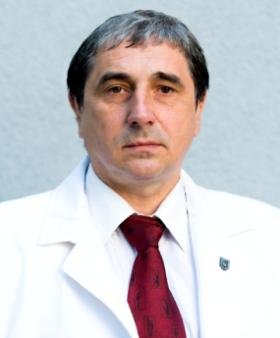 |
President of the World Horting Federation Inc.
Head of the Scientific Committee of the World Horting Federation
DR. EDUARD YEROMENKO
Founder of the sport of horting, developer of scientific and methodological programs for different age groups, researcher in the field of physical culture, physical therapy and sports medicine
Previous official place of employment:
Professor of the Department of Law Enforcement Activities, Educational and Scientific Institute of Economic Security and Customs Affairs, State Tax University of Ukraine
Facebook page: https://www.facebook.com/Eduard.Yeromenko/
Google Scholar profile: https://scholar.google.com.ua/citations?hl=ru&user=hwp1rNsAAAAJ
Scientist profile in ORCID: https://orcid.org/0000-0002-8162-7539
Scientist profile in Web of Science: Web of Science ResearcherID: AAQ-1362-2021. Publons – Link: https://publons.com/researcher/4486606/eduard-yeromenko/
Scientist profile in Scopus: Scopus Author ID: 57218348627, https://www.scopus.com/authid/detail.uri?authorId=57218348627
|
The results of this research are published in peer-reviewed scientific sources and officially presented on the website of the World Horting Federation.
Official publication page: https://horting.us/node/43178
Published article:
Yeromenko, E. (2026). Research into the concept of physical culture of students of sports sections of educational institutions. Theory and Methodology of Horting, 8(2), 92–105.
The publication provides a full scientific description of the experimental findings, theoretical framework, and pedagogical implications.
Scientific and Experimental Work
RESEARCH INTO THE CONCEPT OF PHYSICAL CULTURE OF STUDENTS OF SPORTS SECTIONS OF EDUCATIONAL INSTITUTIONS
(April 2026 – June 2026)
Eduard Yeromenko
Newark, New Jersey, United States
President of the World Horting Federation Inc.
ORCID: https://orcid.org/0000-0002-8162-7539
PhD in Physical Education and Sports, Pedagogy
Honored Coach of Ukraine, Honored Worker of Physical Culture and Sports of Ukraine
Master of Sports of Ukraine of International Class
Major of the Air Assault Forces of the Armed Forces of Ukraine, combat veteran
Abstract. This scientific article reveals the essence of the concept of physical culture of an athlete in the system of training sessions, analyzes the main components of physical culture of the individual, methods and forms of training of athletes using modern methods of training students of sports sections and approaches to determining the content and tasks of sports activities. The directions of physical culture education and improvement of physical qualities of athletes of different age groups and levels of preparedness in the process of training work are considered. The need for a healthy lifestyle is emphasized. The elements of physical culture education of the individual, the formation of combat readiness for competitions, functional training of athletes to perform the tasks of the coach are highlighted. The methodology for distributing the load during training on general physical training of students of sports sections, expanding the sections of the training program, using the methodology for training athletes through physical exercises is proposed. The directions of physical culture education of the individual, increasing functional, tactical, psychological training and improving technical skills through improving physical qualities are shown. Methodological recommendations are provided for the education of physical culture of the individual, adjustment of the program of physical and functional training of schoolchildren and students during classes in sports sections of educational institutions, as well as departments of specialized sports schools and children's health clubs.
Keywords: physical education, training methods, the essence of the concept of physical culture, sports, physical fitness, students of sports sections.
Scientific and experimental work
RESEARCH INTO THE CONCEPT OF PHYSICAL CULTURE OF STUDENTS OF SPORTS SECTIONS OF EDUCATIONAL INSTITUTIONS
Eduard Yeromenko
NEWARK, NEW JERSEY, UNITED STATES
President of the World Horting Federaton Inc;
Doctor of Philosophy (PhD) - Physical Education and Sports, Pedagogy;
Honored Worker of Physical Culture and Sports of Ukraine;
Honored Coach of Ukraine; Master of Sports of Ukraine of international class;
Major of the Air Assault Forces of the Armed Forces of Ukraine, combat veteran.
https://orcid.org/0000-0002-8162-7539.
Relevance of scientific research. Today, it is impossible to understand any sphere of human activity that is not related to physical culture, since physical culture and sports are generally recognized material and spiritual values of society as a whole, and of each person individually. It is no coincidence that in recent years, the physical culture of the individual has been increasingly discussed not only as an independent social phenomenon, but also as a stable qualitative indicator of a developed personality. However, the phenomenon of physical culture of the individual has not been fully studied, although the problems of the culture of the spirit and body were raised even in the era of ancient civilizations [1–3; 10].
Physical culture as a phenomenon of general culture is unique. It is precisely it that is a natural bridge that allows you to connect the social and biological in human development. Moreover, it is the very first and basic type of culture that is formed in a person. Physical culture with its inherent dualism can significantly affect the state of the body, psyche, and human status. In the system of physical education of students in sports sections, this concept is one of the key ones.
Historically, physical culture was formed, first of all, under the influence of the practical needs of society in the full-fledged physical preparation of the younger generation and the adult population for work and protection of their land.
At the same time, as the education and upbringing systems developed, physical culture became a basic factor in the formation of human motor skills and abilities.
A qualitatively new stage in understanding the essence of physical culture is associated with its influence on the spiritual sphere of man as an effective means of intellectual, moral, aesthetic education.
And if there is no special need to prove the enormous influence of physical exercises on the biological essence of man: on his health, physical development, morphofunctional structures, then its influence on the development of spirituality requires special explanations and evidence [4].
It can be said without a doubt that at present the desire for a healthy lifestyle is manifested quite intensely, as it has never been manifested before, and this tension is growing every year. Life itself inevitably, fatally encourages every person to arm themselves with knowledge and understanding. So, to live, to adapt to this hustle and bustle that goes on around, certain skills are needed to independently master a large range of knowledge in various fields of activity, including in the field of physical culture, which is extremely important for maintaining health - the basis for achieving results in sports training.
Education as a whole is considered as a pedagogical system that solves the problems of purposeful, versatile development of the personality. Physical education, as its component, is no exception in this sense. In a number of concepts of the development of physical culture, special attention is paid to educational issues, but to a greater extent the need for a radical change in the attitude of students of sports sections of educational institutions to physical culture, a general understanding of its enormous national and personal human value is asserted.
It is time for every young athlete to comprehend such a concept as “physical culture of the individual”, to develop a “technique” for its real implementation in life and, crucially, in physical education [7]. The upbringing of the younger generation should be aimed at the formation and consolidation of a conscious, based on deep knowledge and beliefs, motivation and the need to constantly independently take care of their health. In this case, it is important to implement the idea of strengthening health through sports training, continuous physical education, starting with compulsory education, to teach young athletes to take care of their health, to engage not only in studying self-defense techniques, but also to use physical education to improve health, and to engage in self-education in this area of activity throughout their lives.
The essence of physical culture of the personality of a sports section student
Initially, the word "culture" in translation from Latin meant "processing". As society developed, the concept of "culture" was filled with a new meaning. Now this word in the general human understanding is both certain personality traits and forms of health-preserving human behavior. In the scientific sense, the word "culture" is all forms of social life, ways of people's activities. On the one hand, it is the process of material and spiritual activity of people, and on the other hand, it is the results and products of this activity. The meaning of "culture" in the broad sense of the word includes, for example, philosophy and science, ideology, law, comprehensive development of the personality, the level and nature of human thinking, his language, abilities, etc.
Thus, "culture" is the creative activity of a person. The basis and content of the cultural and psychological process of development of "culture" is, first of all, the development of a person's physical and intellectual abilities, his moral and aesthetic qualities. Based on this, physical culture is one of the components of general culture; it arises and develops simultaneously and alongside the material and spiritual culture of society.
At the same time, the concept of "physical culture" implies not only the systematic use of rationally composed complexes of physical exercises, but also good physical shape.
Physical culture in the first sense is a leading factor of a healthy lifestyle, and in the second - its consequence. As we can see, this concept is quite capacious. It combines cause and effect, acts in a special quality called physical culture.
It should be noted that the level of human culture is manifested in his ability to rationally, fully use such a social good as free time. Not only success in a certain type of sport, labor activity, education and general development depends on how a person uses it, but also the health of a person, the fullness of his life activity [5]. Physical culture and training as its element here occupy an important place. Because physical culture is health.
Physical culture (education) involves compliance with the rules of public and personal hygiene, occupational and domestic hygiene, work and rest regimes, that is, it is a process of human culture.
Training sessions in sports sections of educational institutions are aimed at strengthening the health of students, but this is in terms of performing morning physical exercises and health complexes of physical exercises and other health-improving techniques.
Sports of higher achievements and health are far from unambiguous concepts. Today, sports of higher achievements have taken a place in the lives of athletes that has no analogues in history. Its problems have become the subject of close study not only by doctors and teachers, but also by philosophers and sociologists. Today, politicians also take its influence into account.
The system of physical education of athletes has a number of distinctive features, such as: nationalism, which is manifested in the desire to introduce physical training into the everyday life of the people, in the democratic nature of physical education organizations, in the widespread use of folk games as a means of health improvement and hardening; scientificity, the system of physical education of students of sports sections consists in the use of all the achievements of social and natural sciences, which are reflected in all links of the system of physical education of a person, and are continuously expanded and deepened in all areas of research, including in improving the system of physical training of students of educational institutions.
The term "physical culture" first appeared in England at the end of the last century.
Physical culture, through physical exercises, prepares people for life and work, using the forces of nature and the whole complex of factors (work regime, everyday life, rest, hygiene, etc.) that determine the state of human health and the level of their general and special physical training [6].
Physical culture of athletes has 4 main forms, namely: physical education and physical training for a specific activity (professional and applied physical training); restoration of health or lost strength by means of physical exercises and therapeutic physical culture - rehabilitation; practicing a certain selected sport in a health-improving mode and physical exercises for the purpose of recreation; the highest sporting achievement in the field of the selected sport.
The role of physical exercises in the development of physical culture of the individual
One of the tasks of physical education of a student of a sports section in the process of practicing the chosen sport is the comprehensive, harmonious development of the human body. A person must be strong, agile, quick in movements, hardy in work, healthy, and tempered.
Skeletal muscles make up about half of the weight of a person's body. To maintain their normal state, they must work systematically. This has a positive effect not only on the muscular system, but also on all other body systems. During muscular activity, the functional state of the central nervous system changes and the requirements for the functions of the respiratory and circulatory systems increase significantly. Insufficient motor activity (hypokinesia) or impaired body functions with limited motor activity (hypodynamia) have a negative effect on the body. This has been proven by observations of people who have had limited motor activity. People can live without movement, but this leads to degeneration (atrophy) of muscles, decreased bone strength, and deterioration of the functional state of the cardiovascular, respiratory, and other systems. It is known that prolonged bed rest has a bad effect on the patient. Therefore, at the first opportunity, doctors allow the sick person to get up. If this is contraindicated, they prescribe special physical exercises that are performed while lying in bed.
Often, the cardiovascular system suffers. The increase in cardiovascular diseases among the population of highly economically developed countries is directly related to physical inactivity, which is the result of the mechanization of industrial and household work, the development of urban transport.
Physical exercises are necessary for a person at all periods of life. In childhood and adolescence, they contribute to the harmonious development of the body [48–56]. In adults, they improve the morphofunctional state, increase working capacity and maintain health. In the elderly, along with this, they delay adverse age-related changes and aging.
Means of increasing the motor activity of modern man should be carried out by increasingly involving the population in physical exercises.
Performing physical exercises is associated with the work of muscles - their contraction, relaxation.
Different muscle work is distinguished. For example, the quadriceps muscle of the thigh, located on its front surface, works both during squatting and during lifting, that is, straightening the leg in the knee joint. In the first case, this muscle performs work in the mode of yielding, and in the second case - in the mode of overcoming effort.
Keeping the body in a half-squat position characterizes the work of this muscle in the holding mode. The smoothness inherent in human movements, and if necessary, the impulsiveness of movements, is the result of the fact that muscles of opposite action, antagonist muscles, which mutually regulate each other's traction, participate in each movement. If, for example, a certain group of muscles, contracting, produces a particular movement, then another group of muscles, the antagonist muscles, gradually stretching, produces work in the mode of giving way.
Let's make a brief physiological analysis. In order for the muscles to begin to produce a certain work, energy is necessary. It is released in the muscles when substances complex in their chemical structure break down into simpler ones. For chemical transformations in a working muscle, oxygen is needed, it enters the muscle with blood. The carriers of oxygen in the blood are red blood cells - erythrocytes, which contain hemoglobin, which is able to combine with oxygen from the air in the lungs and give it to the tissues. During work, the muscles must be intensively supplied with blood [57–68]. The increased blood flow to the working muscles and the outflow of blood from them is associated not only with the need to deliver oxygen.
Muscles need nutrients. In addition, carbon dioxide and end products of decay are removed from them. A huge number of capillaries open in a working muscle. If at rest there are from 30 to 85 of them per 1 mm² of cross-section, then during intense physical exertion their number increases by 50–100 times, reaching 2000–3000 capillaries per 1 mm².
Improved nutrition of muscle tissue leads to its increase in volume, it becomes stronger and more elastic.
The heart rate reaches 100–120 beats/min during moderate exercise, 140–145 beats/min during intensive training, and 200–250 beats/min during competitions.
In people who regularly do horting, the heart works more economically, it makes less frequent but more powerful contractions, which allows it to push a larger volume of blood into the vessels. For example, in untrained people, the resting pulse rate is 80–60 beats/min, in trained people – 65–55 beats/min, and in well-trained, highly qualified horting athletes – 60–40 beats/min.
When performing physical exercises, the tissue's need for oxygen increases greatly, and this causes increased breathing: instead of 16–18 inhalations and exhalations per minute, the respiratory rate reaches 50–60 inhalations and exhalations per minute. The volume of pulmonary ventilation increases from 8 liters to 100–140 liters, which provides the body's full need for oxygen.
All this contributes to improving tissue metabolism. For example, scientists, researchers of physical training equipment of the Scientific and Methodological Board of the World Horting Federation, have established that after heavy horting training, intensive physiological costs are followed by recovery processes.
They occur in excess of the initial values (in other words, rest does not simply restore the forces expended during work, but allows them to increase to a level higher than before). Thus, there is not a simple compensation of costs, but overcompensation (this is called the law of supercompensation).
The role of physical exercises is not limited to this. Systematic muscular activity of athletes increases the body's resistance to various adverse effects: for example, to various changes in ambient temperature, lack of oxygen, changes in barometric pressure, to penetrating radiation. People who systematically engage in sports training can perform longer work at high ambient temperatures than those people who do not engage in sports. Leading students of sports sections adapt faster to the lack of oxygen in mountain conditions, tolerate some diseases more easily [69–78]. Even such unusual conditions for humans as weightlessness or the presence of overloads are tolerated by athletes much better than untrained people. In this regard, a specially developed system of physical exercises is necessarily used in the training of specialists in extreme types of professions (pilots, astronauts, etc.).
The concept of physical and motor activity of students in sports sections
According to modern ideas, motor activity should be considered a natural, evolutionarily formed factor of biological progress, which determined the development of the organism, and which ensured not only the formation of the most perfect mechanisms in the process of long phylogenesis, but also the optimization of its vital activity in ontogenesis. This is due to the fact that the structure of the mechanism of motor activity in an elementary form presents the principle of self-regulation, which reflects the essence of the general law of optimization, which is manifested in the desire of living systems to achieve the maximum vital result with minimal energy and plastic costs.
Physical activity of a student of the sports section of an educational institution is a type of activity of the human body, in which the activation of metabolic processes in skeletal (striated) muscles ensures their contraction and movement of the human body or its parts in space. As a physiological process, physical activity is inherent in any person. It can be low if a person consciously or forcibly leads a sedentary lifestyle (which is often found in schoolchildren and students) and, conversely, high, for example, in an athlete who is constantly training. Low physical activity (hypodynamia) can be the cause of the development of muscle atrophy.
If hypodynamia is combined with errors in the diet (eating high-calorie food in large quantities), this will inevitably lead to the development of obesity. But, for example, students almost always prefer a quick snack of fast food instead of a normal lunch, and all because of lack of time.
Practice shows that the student's lifestyle (if he does not purposefully and systematically engage in physical culture) is considered sedentary. This means that there are detrimental effects of hypodynamia for the body, which grows and develops, and this will certainly affect its physical, mental and sexual maturation and overall health. But it is so easy and affordable to avoid this if you include in your lifestyle an optimal mode of physical activity, engage in a certain sport.
We should also talk about optimal physical activity, which allows a person to maintain or improve their health, reduce the risk of diseases, including fatal ones. Optimal physical activity can be achieved by walking, running, exercising in equipped gyms, active sports, and also by performing gymnastic exercises. All these exercises should be performed by schoolchildren and students at least during one day in order to be a healthy person in the future.
Moderate and vigorous physical activity includes any type of muscular activity performed by a person during the day, week, month, or year.
It does not matter whether it is special physical exercises, or work around the house or in the garden, or just walking [79–90]. Physical activity can be quite short-term, but it is very important that its duration during the day is at least 30 minutes. For most people, 30 minutes or more of physical activity per day is not a problem. Sports students who lead an active lifestyle can expect to live longer than those who spend their lives sitting down. According to physiologists, an hour of physical activity extends a person's life by two or three hours. If so, then some people extend their lives by as much as 5–10 years.
Even in ancient times, doctors and philosophers believed that it was impossible to be healthy without physical exercise. Constant and varied physical exercises make the human body strong and beautiful. We are still fascinated by the works of ancient sculptors who embodied physical strength and a harmoniously developed human body in their creations (for example: Hercules, Apollo Belvedere, Discobolus, Spearman, Venus de Milo, and many more vivid examples can be given). Any type of physical activity is accompanied by an intensification of metabolic processes (metabolism), primarily in muscle cells, and, consequently, an increase in their need for additional oxygen and nutrients. Even with moderate and, especially, with severe physical activity, the work of the heart (increasing the frequency and strength of contractions) and the respiratory system (increasing the frequency of breathing with increasing gas exchange and saturation of the lungs with oxygen) intensifies. Activation of cellular metabolism is characterized not only by the entry, but also by the removal of products formed in the process of cell life. They enter the bloodstream through the skin with sweat, and through the lungs with exhaled air.
Therefore, with increasing physical activity in a person, the heart rate (rapid heartbeat and pulse) increases, respiratory movements (shortness of breath), and sweating increases. Frequent breathing along with increased sweating provide protection for the body from overheating during periods of intense physical activity.
Physical inactivity and human life
The latest scientific studies have shown that prolonged restriction of motor activity, which has been called hypodynamia, is a dangerous antiphysiological factor that destroys the body and leads to early disability and withering. If in a mature organism the disorders caused by hypodynamia are reversible, that is, they can be eliminated with the help of timely physical training, then in a growing organism the damaging effect of hypodynamia is not compensated by anything.
It has been established that physical inactivity is especially dangerous in the early stages of ontogenesis and during puberty. It leads to a significant decrease in the growth rate of the organism and the suppression of biochemical processes, including the functions of the genetic apparatus of cells. That is, a schoolchild or student suffering from physical inactivity is unlikely to be able to graduate from school or university with good grades, no matter how hard he tries [9]. It follows that his life can change greatly, and all because he was too lazy to move more, preferred textbooks over physical exercises. As a result, he was unable to apply knowledge due to a decrease in concentration. Therefore, to prevent this from happening, it is necessary to dilute training with physical exercises, even if there is not enough time. After all, during physical activity, endorphins are produced, good health and mood are created, resistance to stress, depression increases, and a person's sleep is normalized [8].
It has also been established that hypodynamia reveals significant functional abnormalities in the brain, which are expressed in impaired higher nervous activity and a low level of brain performance.
The importance of physical health for personal development
Physical health is the most important component of any of our success. This is an important characteristic of productive forces, it is a public asset that has material and spiritual value. This seems to be clear to everyone . After all, it is not for nothing that not only the military, but also politicians, teachers, and psychologists talk so much about the physical and moral state of the nation.
The concept of physical health of a certain nation is an absolutely concrete thing, so tangible that it can, for example, be placed in statistical indicators.
Statistics show that our society is sick, that there are practically no healthy people left in it. Intensification of a person's labor activity does not cause a health effect, but on the contrary. In this case, we are not talking about the catastrophic growth of AIDS and venereal diseases, drug addiction and alcoholism. Modern life has turned us into a spiral. We run like a squirrel in a wheel all day, solving urgent problems. Everything is important, everything is necessary, everything is urgent. We pay the least attention to ourselves. Sometimes we eat without following the regime, mostly on the go. Never stop, relax, think: where are we running, what awaits us? At the same time, our body is constantly exposed to the influence of the external environment (atmospheric conditions change, infectious agents, radioactive radiation and other factors affect it). You don't need to be a great seer to predict the outcome: strength will run out, energy will evaporate somewhere, health, as they say, will shake. And everything against this background will seem empty and insignificant.
A gloomy picture, but, unfortunately, real. Unfortunately, many people, especially young people, start thinking about their health when it is already seriously impaired. This is due to the fact that youth and health accompany each other. However, health is not something permanent and unchanging, and it is necessary to think about how to preserve health, work capacity and activity for a full life for many years.
The main sign of health is high performance and adaptability of the body to various influences and changes in the external environment.
A comprehensively prepared and trained student of the sports section of an educational institution easily maintains homeostasis (constancy of the internal environment), which is manifested in maintaining a constant body temperature, blood chemical composition, acid-base balance, etc. (physical exercises can play an important role in this). A decrease in the body's ability to adapt to normal conditions and stimuli is accompanied by the development of functional and structural changes that are not characteristic of a healthy body — diseases [10].
A disease is a violation of the normal activity of the body under the influence of damaging influences that disrupt the dynamic balance between the body and the environment.
There is no clear boundary between health and disease, but there are various transitional forms and states that take into account the individual (genetic) characteristics of the body, age, gender, level of physical development and other conditions. Absolute health and absolute disease are unthinkable. A disease manifests itself and develops when the level of health decreases to a certain limit (level).
Every year millions of children are born in the world with hereditary diseases, their number is growing. More and more mutants are being born, having changes in the body that the human race had not known before. Doctors state that along with defective children, there are also seemingly normal ones. Military doctors are forced to state that every year the so-called general public begins to sound the alarm in the ranks of the armed forces: they say, the quality of army recruitment, those who will defend the sacred borders of the Motherland, is decreasing from year to year. With great difficulty, it is possible to select from the mass of boys whose height, weight and other physical conditions would meet the requirements of service in special forces units. This suggests that in our time, young people no longer monitor their health as much as before.
Physical culture of the personality and values of students of sports sections
Physical culture, just like general culture, has two parts - objective and personal. This means that it exists both in the form of specific material realities and in the form of personal acquisition of a young person who is engaged in the sports section of an educational institution.
Physical culture is a rather complex social formation. In its structure, three independent aspects can be distinguished: activity, value and personal.
The productive aspect of the physical culture of a student of a sports section includes the entire set of useful results that a person has acquired in the process of active use of health-improving values in his life [11].
Such useful results include: motor skills and abilities obtained in the process of playing sports; the very ability to quickly master new movements, developed during classes; increased physical performance; proportionally developed physique and posture; physical culture knowledge; moral and aesthetic qualities that elevate a person's personality, etc. This aspect is rightfully identified with the concept of "personal physical culture", because it is completely personified in the personality of a student of the sports section of an educational institution in the form of his own achievements and achievements.
The term "physical culture of the individual" can be expressed as a real physical culture and sports activity of a particular person, the motive of which is to satisfy his individual interests and needs in physical self-improvement by means of physical training.
The main features of physical culture of students of sports sections of educational institutions can be considered:
systematic classes in the chosen sport or physical training to solve the problems of physical self-improvement;
special physical culture classes to study self-defense techniques, which allow them to be usefully applied in practice (an example from the study of martial arts);
possession of certain motor skills and abilities to solve personally significant tasks;
possession of sufficient organizational and methodological skills to build one's own independent physical culture and sports activities, since independent physical culture activity is rightfully considered the highest form of personal physical culture.
The progressive variant characterizes the process of constant overcoming of contradictions, overcoming oneself for a new full disclosure of one's strengths and abilities. In this case, there is a continuous increase in personal potential through self-denial and self-determination in the results and process of physical culture and sports activity in the system of physical training. The regressive variant is a retreat into narrow spheres of self-realization, the basis of which are the illusions of past experience, calmness. The incompleteness of statements in physical culture and sports activity gives rise to dissatisfaction with it, its results, which leads to a restriction of the cultural space of life activity. The richer and wider the circle of connections of the personality of a student of the sports section in this activity, the richer the space of its subjectivity becomes, since he himself begins to create those social relations, the total ensemble of which he is.
The activity aspect of physical culture of a student of the sports section of an educational institution is that physical improvement occurs only as a result of optimal, purposeful motor activity of the athlete. And not just any, but only that which is carried out according to the laws of physical education, that is, according to the laws of developing strength, endurance, according to the laws of forming movement techniques, according to the laws of active recreation, etc.
In the process of life, a person is engaged in many types of activities that are to one degree or another related to motor activity and significant physical exertion. However, not all of them can be attributed to physical culture. Therefore, the essential core of the physical culture of a student of a sports section can only be considered motor activity, associated with the mandatory performance of physical exercises in the process of training and competitions.
The physical loads performed in this case can be of different magnitudes, depending on the tasks set - to restore, maintain or develop one's physical condition. Therefore, not every, but only cultured (useful, expedient) motor activity that has a positive effect on the psychophysical sphere of a student of a sports section can be attributed to physical culture. But the motor activity, for example, of a loader, is not directly related to physical culture, because its purpose is not to develop oneself, but to fulfill a production task that can be achieved at any cost, even by overexertion. Such a situation in physical culture is in principle unacceptable and harmful.
Physical culture activity necessarily contains a motor component, which, as a rule, is predominant in it. Activities in the field of specialized physical training are represented by the most rational forms of motor actions that have their own specific training methodology. When developing speed abilities, for example, the methodology will differ significantly from that used to develop general endurance in almost all respects.
The physical education activity of a student of the sports section of an educational institution is always aimed at improving himself in terms of mastering rational sports techniques of physical exercise, cultivating physical qualities, forming correct posture, strengthening health, etc. The goals that lie outside the athlete himself, although they can exist and be solved in parallel, are not leading. All these features in their entirety are inherent only to the physical culture of the athlete's personality. They are not characteristic of other aspects of human activity in their entirety [5].
The value aspect of the physical culture of a student of the sports section of an educational institution is represented by a large set of material and spiritual values, specially created for the effective physical improvement of a person. Material values are embodied in physical education and sports facilities (stadiums, swimming pools, halls), special equipment and inventory (sports equipment, punching bags, track and field and gymnastic equipment, skis, balls, exercise machines, etc.).
The spiritual values of the physical culture of the student of the sports section of the educational institution are represented by historically selected and tested physical exercises, concentrated in the form of educational and training sessions and competitions in the chosen sport, gymnastics, games and tourism, based on physical activity.
In addition, the spiritual values of physical culture of athletes include special physical culture knowledge accumulated through practice and science, reflected in the theory and methodology of physical training, relevant theories of physical culture and sports, and contained in various methodical manuals, textbooks, monographs, handbooks of achievements, competition rules, etc.
It is important to note that all these objective material and spiritual values of a student of the sports section of an educational institution are of great importance not in themselves and not for everyone, but only to the extent that they are involved in the sphere of students of educational institutions - physical activity of people in various sports. For example, a swimming pool for a person who does not want to engage in it is unlikely to represent any real value. People involved in constant training, however, master these values, use them with benefit, and if possible, develop them.
Conclusion. The orientation and functioning of the sports training system in previous years was determined by the utilitarian orientation (physical preparation for work, defense of the Motherland), as well as the prestigious function of domestic types of training in the international arena. At the same time, there is now a shift in the purpose of classes of students of sports sections of educational institutions as a means of educating the physical culture of a person towards the priority of the psychophysical development of the personality, the formation of its physical culture. The main provisions of the state policy of different countries in the field of physical culture and sports and sports movement are determined by the legislation of these countries.
The concept of the development of physical culture and sports in the United States of America gives a characteristic of the current state of physical culture and sports in the country and defines the main goal of the state in the field of physical culture and sports - improving people's health, forming a healthy lifestyle of the population, harmonious upbringing of a healthy, physically strong generation, as well as a worthy performance of American athletes at the largest international sports competitions.
As for the constancy and stability of maintaining personal health, there is probably no need to explain that it is better not to jog for health in 40–60 years, but it is better to constantly engage in physical exercises. These activities should become a habit, like washing your hands and face, like brushing your teeth. If you consider physical exercises to be a secondary matter, then the task of improving people's health will not be solved. And I would also like to note that movements, competitions, self-affirmation are the natural essence of a harmoniously developed personality of a student of the sports section of an educational institution. Training sessions help students to reveal their internal reserves, natural potential and opportunities that they can only guess about. And we should not forget that health is one, and it is given for a lifetime, so it must be protected from the very beginning of life.
Thus, this scientific article reveals the essence of the concept of physical culture of students of sports sections of educational institutions in the system of training sessions, analyzes the main components of physical culture of the individual, methods and forms of training of athletes using modern methods of training students and approaches to determining the content and tasks of their sports activities. The directions of physical culture education and improvement of physical qualities of athletes of different levels of preparedness in the process of training work are considered. The need for a healthy lifestyle is emphasized.
The elements of physical culture education of the individual are highlighted, the formation of readiness for competitions through stability and regularity of training, functional training of athletes to perform the tasks of a teacher, coach. The directions of physical culture education of the individual, improvement of functional, tactical, psychological training and improvement of technical skills through improvement of physical qualities are shown.
Methodological recommendations are provided for the education of physical culture of the individual, adjustment of the program of physical and functional training of schoolchildren and students during classes in sports sections of educational institutions, as well as departments of specialized sports schools and children's health clubs.
LIST OF RECOMMENDED SOURCES
FOR FURTHER DEVELOPMENT ON THE RESEARCH TOPIC
-
Bloshchynskyi, I., Griban, G., Okhrimenko, I., Stasiuk, V., Suprun, D., Nedvyha, O., Neurova, A., Dovgan, N, Dikhtiarenko, Z., Yeromenko, E., Malynskyi, I., Prontenko K. (2021). Formation of psychophysical readiness of cadets for future professional activity. The Open Sports Sciences Journal, 14, 1-8. URL: doi: 10.2174/1875399X02114010001.
-
Griban, G., Dikhtiarenko, Z., Yeromenko, E., Lytvynenko, A., Koval, A., Ramsey, I., Muzhychok, V. (2020). Influence of positive and negative factors on the university students’ health. Wiadomości Lekarskie, 73 (8), 1735-1746. URL: doi: 10.36740/WLek202008128.
-
Griban, G., Yavorska, T., Tkachenko, P., Kuvaldina, O., Dikhtiarenko, Z., Yeromenko, E., Lytvynenko, A., Hresa, N., Okhrimenko, I., Ovcharuk, I., Prontenko, K. (2020). Motor activity as the basis of a healthy lifestyle of student youth. Wiadomości Lekarskie, 73 (6), 1199-1206. URL: doi: 10.36740/WLek202006123.
-
Grygoriy P. Griban, Valentyna P. Trufanova, Mykola I. Lyukianchenko, Nadiya Yu. Dovhan, Zoia M. Dikhtiarenko, Olena V. Otravenko, Tetiana V. Nadimyanova (2024). Causes of stress and its impact on women’s mental and physical health. Wiadomości Lekarskie, 77 (12), 2493–2500. URL: doi: 10.36740/Wlek/197113.
-
Fedorchenko T., Boltivets S., Dovgan N., Dikhtiarenko Z., Yeromenko E., Kukushkin K., OtravenkoO., Zavistovskyi O., Khatko A., Kolomoiets H., BerezhnaT., Veselova V., Steshyts A., KhimichV., Demchenko N., Yeromenko V., Grechana L., Petrova O., Kozlova K., Ilnytskyi I., Rebryna A., Tsviha A., Kostenko V., Dehtyaryov A. Ensuring standards of quality of life in a turbulent world: Monograph. Opole : The Academy of Applied Sciences – Academy of Management and Administration in Opole, 2022. 623 p. Part 5. «Combat Horting as a means of physical education of a harmoniously developed, successful, a vitally active personality – pupils, students and cadets: results of research work». Р. 498–597.
-
Fostering the social activity of future specialists in physical education and sports in a health-preserving environment / Otravenko О. V, Shkola O. M., Zhamardiy V. O., Shynkarova O. D., Fomenko O. V., Poluliashchenko T. L., Donchenko V. I. Acta Balneologiga. 2024. No2(180). Рp.135‒143. DOI: https://doi.org/10.36740/abal202402110 [in English].
-
Khoroshukha, M., Griban, G., Terentieva, N., Tkachenko, P., Petrachkov, O., Semeniv, B., Otravenko, O., Dikhtiarenko, Z., Yeromenko, E., Khurtenko, O., Lytvynenko, A. (2021). Influence of different training activities on development of junior athletes’ logical thinking. International Journal of Human Movement and Sports Sciences, 9(1), 62-70. URL: doi: 10.13189/saj.2021.090109.
-
Method of physical improvement of higher education students by means of functional training in the aspect of health-preservation / Otravenko О. V, Shkola O. M., Zhamardiy V. O., Pavliuk O. M., Radchenko A. V., Donchenko V. I., Myronenko S. G. Acta Balneologica. 2024. No1. P.40‒48. DOI: 10.36740/ABal202401107 [in English].
-
Otravenko О., Shkola О., Zhamardiy V., Dubovoi О., Cherednychenko І., Halashko V., Lopuga А. (2025). Stress resistance as a professionally significant trait of the future rehabilitators in the system of physical education. Acta Balneol. 2025. № 67(1). Р. 29–43. DOI: https://doi.org/10.36740/ABal202501103.
-
Savchenko, A. (2017). Combat horting – educational practice for young people / A. Savchenko, E. Yeromenko // Theory and methodology of horting. – 2017. – Ex. 8. – Р. 88–95.
-
Yerоmenko, E. (2014). Horting as a means of educating persistence in schoolchildren 6–7 years / E. Yerоmenko // Scientific Journal of the National Pedagogical University named after M. P. Dragomanova. Series № 15. «Scientific and pedagogical problems of physical culture». Kyiv: MPU Publishing House. Dragomanova. Issue 3K (44) 14. P. 238–242.
Eduard Yeromenko
NEWARK, NEW JERSEY, UNITED STATES